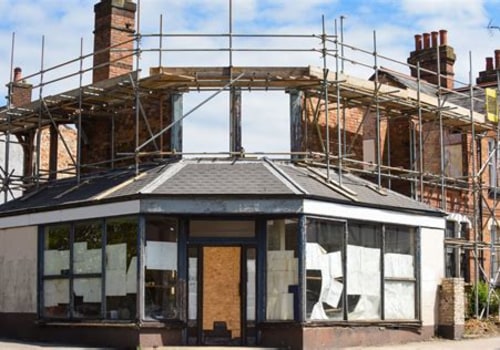
When embarking on a building renovation, one of the most pressing questions that arises is, "how long does a renovation take?" Understanding the renovation project duration is crucial for homeowners and investors alike, as it impacts not only the budget but also the overall planning and execution of the project. The timeline for a building renovation can vary significantly based on several factors, including the scope of work, the size of the building, and the complexity of the renovations. In general, a typical building renovation can take anywhere from a few weeks to several months. Smaller projects, such as updating a kitchen or bathroom, may be completed in a matter of weeks, while larger undertakings, like gut renovations or structural changes, can extend into months or even years. Additionally, unforeseen challenges such as permitting delays, supply chain issues, or unexpected structural problems can further complicate timelines. As we delve deeper into this topic, we will explore the various elements that influence building renovation timelines.
From initial planning stages to final inspections, understanding these factors will equip you with the knowledge needed to set realistic expectations for your renovation project. Whether you're a first-time renovator or a seasoned pro, grasping the intricacies of renovation project duration will help you navigate your journey more effectively.
Factors Influencing Renovation Duration
When considering a building renovation, several key factors can significantly influence the overall duration of the project. Understanding these elements can help homeowners and project managers set realistic timelines and expectations.- Project Size: The scale of the renovation plays a crucial role in determining how long it will take. A small bathroom remodel may only require a few weeks, while a complete home renovation could extend for several months.
- Complexity: The intricacy of the design and the extent of the changes being made can also affect the timeline.
Projects that involve structural changes, such as removing walls or adding new rooms, typically take longer than cosmetic updates like painting or flooring.
- Scope of Work: The specific tasks involved in the renovation will dictate how much time is needed. For instance, a project that includes plumbing, electrical work, and extensive carpentry will require more time than one focused solely on aesthetic improvements.
- Permits and Regulations: Navigating local building codes and obtaining necessary permits can introduce delays. Depending on the jurisdiction, this process can take anywhere from a few days to several weeks.
- Weather Conditions: For exterior renovations, unpredictable weather can halt progress. Rain, snow, or extreme temperatures may lead to delays in construction schedules.
- Availability of Materials: Supply chain issues can impact how quickly materials are sourced.
If specific materials are backordered or unavailable, it can prolong the renovation timeline.
Typical Phases of a Building Renovation Project
Understanding the phases of a building renovation project is crucial for homeowners and contractors alike. Each stage plays a significant role in ensuring the project runs smoothly and meets the desired outcomes. Here’s a breakdown of the typical phases involved in a building renovation project:- Planning and Design: This initial phase involves defining the scope of the renovation, setting a budget, and creating design plans. Homeowners should consult with architects or designers to visualize the changes and ensure compliance with local building codes.
- Permitting: Before any physical work begins, obtaining the necessary permits is essential.
This process can vary in duration depending on local regulations and the complexity of the renovation.
- Demolition: Once permits are secured, the demolition phase can commence. This involves removing existing structures or finishes that will be replaced or updated. Safety precautions are paramount during this stage.
- Construction: The construction phase is where the bulk of the work occurs. This includes framing, electrical, plumbing, and HVAC installations.
Depending on the extent of the renovation, this phase can take several weeks to months.
- Finishing Touches: After major construction is complete, finishing touches such as painting, flooring installation, and fixture placements take place. This phase is crucial for achieving the desired aesthetic and functionality.
- Final Inspection: Once all work is completed, a final inspection ensures that everything meets safety standards and local codes. This step is vital for obtaining a certificate of occupancy if required.
Average Timeframes for Different Types of Renovations
Understanding the average timeframes for different types of building renovations can help homeowners set realistic expectations and plan accordingly.The duration of a renovation project can vary significantly based on the scope and complexity of the work involved.
Small Renovations
For smaller projects, such as kitchen remodels or bathroom updates, the timeline typically ranges from 2 to 6 weeks. These renovations often involve cosmetic changes like new fixtures, cabinetry, or flooring, which can be completed relatively quickly. Here’s a breakdown:- Kitchen Remodel: 4 to 8 weeks
- Bathroom Update: 3 to 6 weeks
Medium Renovations
Medium-sized renovations, such as adding a room or finishing a basement, usually take between 6 to 12 weeks. These projects require more extensive work, including structural changes and possibly plumbing or electrical updates.For example:
- Addition of a Room: 8 to 12 weeks
- Basement Finishing: 6 to 10 weeks
Large Renovations
Larger projects, like whole-home renovations, can take several months to complete, often ranging from 3 to 6 months or more. These extensive renovations involve significant alterations and may require permits and inspections, which can extend the timeline. Here are some examples:- Whole-Home Renovation: 4 to 6 months
- Major Structural Changes: 3 to 5 months
Common Delays in Building Renovation Projects
Building renovation projects can often encounter a variety of delays that can extend timelines and increase costs.Understanding these common issues is crucial for homeowners and contractors alike to ensure a smoother renovation process.
- Permitting Delays: One of the most frequent causes of delays in building renovations is the permitting process. Depending on the scope of the project, obtaining the necessary permits can take weeks or even months. To avoid this, it’s essential to research local regulations early and submit all required documentation promptly.
- Supply Chain Issues: Material shortages and supply chain disruptions can significantly impact renovation timelines. With recent global events, many contractors have faced delays in receiving essential materials.
To mitigate this, consider ordering materials in advance and having backup suppliers ready.
- Labor Shortages: The construction industry has been experiencing labor shortages, which can lead to delays in project completion. Hiring skilled labor ahead of time and maintaining good relationships with subcontractors can help alleviate this issue.
- Unexpected Structural Problems: During renovations, unforeseen issues such as mold, water damage, or structural deficiencies may arise. These problems can halt progress while solutions are found. Conducting thorough inspections before starting the renovation can help identify potential issues early.
Regular meetings with contractors, suppliers, and any other stakeholders can help keep everyone informed and aligned on project timelines. Additionally, having a flexible schedule can allow for adjustments when unexpected delays occur. In summary, while building renovation projects are often subject to various delays, being proactive in planning and communication can significantly reduce their impact on your timeline and budget.
How to Plan Your Renovation Timeline Effectively
Planning a renovation timeline effectively is crucial for the success of your building renovation project. A well-structured timeline not only helps in managing expectations but also ensures that the project stays on track and within budget. Here are some practical steps to consider when creating your renovation timeline:- Define Your Goals: Start by identifying what you want to achieve with your renovation.
Are you looking to increase property value, improve functionality, or enhance aesthetics? Clear goals will guide your planning process.
- Set Realistic Milestones: Break down the renovation into smaller, manageable phases. For instance, if you're renovating a kitchen, you might have milestones for design approval, demolition, plumbing, and installation. This approach allows you to track progress and make adjustments as needed.
- Consult Professionals: Engaging with architects, contractors, or interior designers can provide valuable insights into realistic timelines based on their experience. They can help you understand potential delays and how to mitigate them.
- Account for Permits and Approvals: Depending on the scope of your building renovation, you may need various permits.
Research local regulations and factor in the time required to obtain these approvals into your timeline.
- Prepare for Contingencies: Renovations often come with unexpected challenges. Allocate extra time in your schedule for unforeseen issues such as structural problems or delays in material delivery.
FAQs About Building Renovation Timelines
When considering a building renovation, many homeowners have questions about the timeline and what factors can influence the duration of the project. Here are some frequently asked questions that can help clarify these concerns.How long does it typically take to renovate a house?
The timeline for renovating a house can vary significantly based on several factors, including the size of the home, the extent of the renovations, and the availability of materials and labor.On average, a full home renovation can take anywhere from three to six months, but larger projects may extend beyond this timeframe.
What factors affect the renovation timeline?
- Scope of Work: The more extensive the renovations, such as adding new rooms or completely remodeling kitchens and bathrooms, the longer the project will take.
- Permits and Approvals: Obtaining necessary permits can delay the start of your renovation. It's essential to factor in time for these approvals.
- Contractor Availability: The schedule of your chosen contractor can impact how quickly work begins and progresses.
- Material Lead Times: Delays in sourcing materials can also extend timelines, especially if custom or specialty items are required.
Are there ways to speed up the renovation process?
Yes, there are several strategies to help expedite your building renovation:- Plan Ahead: Thorough planning before starting can minimize delays. Ensure all designs and selections are finalized.
- Hire Experienced Professionals: Working with skilled contractors who have a good track record can lead to more efficient project management.
- Stay Flexible: Being open to adjustments during the renovation can help keep things moving smoothly.
Conclusion: Key Takeaways on Renovation Timelines
In summary, understanding the timeline for a building renovation project is crucial for homeowners and contractors alike. Several factors influence the duration of a renovation, including the scope of work, the size of the building, and the availability of materials and labor.Here are some key takeaways regarding renovation timelines:- Planning is Essential: A well-thought-out plan can significantly reduce delays.
Engaging with architects and contractors early in the process helps set realistic timelines.
- Permits and Regulations: Obtaining necessary permits can add time to your project. Always check local regulations to avoid unexpected hold-ups.
- Scope of Work: The more extensive the renovations, the longer the project will take. Simple updates may only require a few weeks, while major overhauls can extend to several months.
- Weather Conditions: For exterior renovations, weather can be a significant factor. Unforeseen weather events can lead to delays, so it’s wise to account for this in your timeline.
- Communication is Key: Regular updates between homeowners and contractors can help keep the project on track.
Addressing issues as they arise prevents minor problems from escalating into major delays.