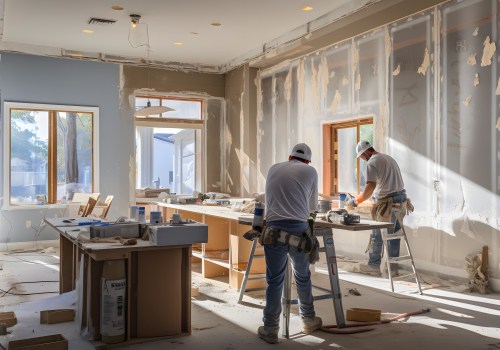
Building renovation projects can be both exciting and challenging, often leading to a myriad of conflicts that can derail progress and strain relationships. Understanding the common sources of conflict is essential for anyone involved in a renovation, whether you are a homeowner, contractor, or designer. One of the primary issues arises from budget constraints. As costs begin to escalate, disagreements can surface regarding what aspects of the project should be prioritized or scaled back.
This financial pressure can lead to tension among team members who may have differing opinions on how to allocate resources effectively. Another significant source of conflict in building renovation is the presence of differing visions among stakeholders. Each party may have their own ideas about the design, functionality, and overall aesthetic of the space. When these visions clash, it can create an environment ripe for misunderstandings and frustration. Clear communication is vital in these situations; however, it is often where breakdowns occur.
Misinterpretations or lack of clarity can lead to decisions being made without full consensus, resulting in further disputes down the line. Additionally, timelines can become a contentious issue during renovations. Delays due to unforeseen circumstances or mismanagement can lead to frustration and blame among team members. Recognizing these potential pitfalls early on allows for proactive measures to be taken, ensuring that all parties are aligned and working towards a common goal. By understanding these common sources of conflict in building renovation, stakeholders can better prepare themselves to navigate challenges and foster a more collaborative environment.
Effective Communication Strategies to Prevent Disagreements
Effective communication is the cornerstone of a successful building renovation project.When all parties involved—homeowners, contractors, and subcontractors—maintain clear and open lines of communication, the likelihood of conflicts diminishes significantly. Here are some strategies to enhance communication and prevent misunderstandings:
- Establish Clear Communication Protocols: From the outset, define how communication will occur. Will you use emails, phone calls, or project management software? Establishing a preferred method helps streamline discussions and ensures everyone is on the same page.
- Regular Check-Ins: Schedule regular meetings or check-ins to discuss progress, address concerns, and make necessary adjustments. This proactive approach allows for immediate feedback and reduces the chances of issues escalating.
- Document Everything: Keep a record of all communications, decisions made, and changes to the project scope.
This documentation serves as a reference point and can help clarify misunderstandings if they arise.
- Encourage Open Dialogue: Foster an environment where all parties feel comfortable voicing their opinions or concerns. Encourage questions and discussions to ensure that everyone understands the project’s goals and expectations.
- Be Transparent About Changes: Renovation projects often require adjustments due to unforeseen circumstances. When changes occur, communicate them promptly and clearly to all stakeholders to avoid confusion.
Setting Clear Expectations and Boundaries
When embarking on a building renovation project, the foundation of success lies in setting clear expectations and boundaries from the very beginning.This proactive approach not only minimizes misunderstandings but also fosters a collaborative environment among all parties involved.
Establishing Expectations
- Define Project Scope: Clearly outline what the renovation will entail. Specify the areas to be renovated, the materials to be used, and the overall design vision. This clarity helps prevent scope creep, where additional work is added without proper discussion.
- Set Timelines: Agree on a realistic timeline for each phase of the project. Include milestones to track progress and ensure that everyone is on the same page regarding deadlines.
- Budget Transparency: Discuss the budget openly.
Ensure that all parties understand the financial constraints and agree on how costs will be managed throughout the renovation process.
Defining Boundaries
- Roles and Responsibilities: Clearly delineate who is responsible for what. Whether it’s the contractor, subcontractors, or homeowners, knowing each person’s role can prevent conflicts and ensure accountability.
- Communication Protocols: Establish how and when communication will occur. Regular check-ins can help address issues before they escalate, while also keeping everyone informed about progress and changes.
- Change Management: Create a process for handling changes to the project. This should include how changes are proposed, evaluated, and approved to avoid confusion and disputes later on.
Creating Detailed Contracts
A well-drafted contract serves as a roadmap for your building renovation.
It should encompass all agreed-upon expectations and boundaries, including timelines, payment schedules, and procedures for conflict resolution. By having a comprehensive agreement in place, you can significantly reduce the likelihood of disagreements arising during the project.In conclusion, taking the time to set clear expectations and boundaries at the outset of your building renovation project is essential. It not only lays the groundwork for a smoother process but also helps build trust among all parties involved, ultimately leading to a successful renovation experience.
Conflict Resolution Techniques for Renovation Projects
Handling conflicts during a building renovation project is crucial for maintaining a positive working environment and ensuring the project stays on track. Here are some effective conflict resolution techniques that can be employed:- Negotiation: This technique involves open communication between parties to discuss their concerns and find a mutually acceptable solution.
It’s essential to approach negotiations with a willingness to listen and understand the other party's perspective.
- Mediation: If direct negotiation fails, bringing in a neutral third party can help facilitate discussions. A mediator can assist in clarifying issues, guiding conversations, and helping both sides reach an agreement without escalating tensions.
- Compromise: Sometimes, both parties may need to give up something to reach a resolution. Compromise can be an effective way to resolve disagreements, especially when both sides have valid points. It’s important to identify what each party is willing to concede.
- Active Listening: Practicing active listening can significantly reduce misunderstandings.
This involves fully concentrating on what the other person is saying, acknowledging their feelings, and responding thoughtfully.
- Setting Clear Expectations: Before starting a renovation, it’s vital to establish clear expectations regarding timelines, budgets, and responsibilities. This proactive approach can prevent many conflicts from arising in the first place.
When to Seek Professional Help: Mediation and Legal Advice
During a building renovation project, conflicts can arise from various sources, including miscommunication, differing expectations, or unforeseen issues. While many disagreements can be resolved through open dialogue, there are instances when seeking professional help becomes essential.When to Consider Mediation
- If discussions between parties have reached a stalemate and no resolution seems possible.
- When emotions run high, making it difficult for parties to communicate effectively.
- If the conflict involves multiple stakeholders, such as contractors, architects, and homeowners.
This approach often leads to a more amicable resolution without the need for legal action.
Recognizing the Need for Legal Advice
- If there are significant financial implications at stake that could impact your budget or investment.
- When contractual obligations are in dispute, and you need clarity on your rights and responsibilities.
- If there is a threat of litigation or if one party has already initiated legal proceedings.
Conclusion
Ultimately, knowing when to seek professional help during a building renovation project can save time, money, and stress. Whether through mediation or legal advice, addressing conflicts early on can lead to more effective solutions and a smoother renovation process.
Case Studies: Real-Life Examples of Conflict Resolution in Renovation Projects
Understanding how to navigate conflicts during a building renovation project can be greatly enhanced by examining real-life case studies. These examples not only highlight the challenges faced but also showcase effective strategies for resolution.Case Study 1: The Kitchen Remodel Dispute
In a recent kitchen remodel, homeowners and contractors clashed over design choices.The homeowners wanted an open-concept layout, while the contractor insisted on maintaining structural integrity with load-bearing walls. Tensions escalated when the contractor began demolition without finalizing plans.
- Resolution Strategy: The homeowners called for a mediation session, inviting a third-party architect to assess the situation. This neutral party facilitated discussions, allowing both sides to express their concerns and preferences.
- Outcome: The architect proposed a compromise that involved reinforcing the existing structure while still achieving an open feel through strategic design elements. This solution satisfied both parties and fostered a collaborative atmosphere.
Case Study 2: The Bathroom Renovation Budget Overrun
Another example involved a bathroom renovation where unexpected plumbing issues led to significant budget overruns.The homeowners were frustrated, feeling blindsided by the additional costs, while the contractor argued that unforeseen circumstances warranted the increase.
- Resolution Strategy: To address this conflict, the contractor organized a meeting to review the budget breakdown and explain the necessity of each additional expense. Transparency was key in this situation.
- Outcome: By providing detailed explanations and options for cost-saving measures, the contractor regained the homeowners' trust. They agreed on a revised budget that included essential repairs while allowing for some aesthetic upgrades.
Frequently Asked Questions About Conflicts in Building Renovation
Conflicts during a building renovation project can arise for various reasons, and understanding how to navigate these issues is crucial for a successful outcome.Here are some frequently asked questions regarding conflicts in building renovation.
- What are common causes of conflict during a building renovation?
Conflicts can stem from miscommunication, differing expectations, budget constraints, and scheduling issues. It's essential to establish clear communication channels and set realistic expectations from the outset. - How can I prevent conflicts before they arise?
Preventative measures include thorough planning, regular meetings with all stakeholders, and clearly defined roles and responsibilities. Documenting agreements and changes can also help mitigate misunderstandings. - What should I do if a conflict arises?
Address the issue promptly by discussing it with the involved parties. Listen to their concerns and work collaboratively to find a solution.If necessary, consider involving a neutral third party to mediate the discussion.
- Is it advisable to involve legal counsel in conflicts?
Involving legal counsel should be a last resort. However, if the conflict escalates or involves significant financial implications, seeking legal advice may be necessary to protect your interests. - How can I ensure that all parties are satisfied with the resolution?
Aim for a solution that addresses the core issues of all parties involved. Follow up after the resolution to ensure that everyone feels heard and valued, which can help maintain positive relationships moving forward.
Conclusion: Key Takeaways for Managing Conflicts in Renovation Projects
In conclusion, effectively managing conflicts during a building renovation project is crucial for achieving a successful outcome. By implementing proactive strategies, you can minimize disruptions and foster a collaborative environment among all parties involved.Key Strategies for Conflict Management
- Open Communication: Establishing clear lines of communication from the outset helps to ensure that everyone is on the same page.
Regular updates and check-ins can prevent misunderstandings and keep the project moving smoothly.
- Set Clear Expectations: Clearly defined roles, responsibilities, and timelines can help mitigate potential conflicts. When everyone knows what is expected of them, it reduces the likelihood of disputes arising.
- Emphasize Collaboration: Encourage a team-oriented approach where all stakeholders feel valued and heard. This can lead to more innovative solutions and a stronger commitment to the project's success.
- Stay Flexible: Renovation projects often come with unexpected challenges. Being adaptable and open to change can help you navigate conflicts more effectively when they arise.
The key lies in how you respond to these challenges. By maintaining a positive attitude and focusing on problem-solving rather than blame, you can turn potential conflicts into opportunities for growth and improvement.Ultimately, successful conflict management in building renovation projects not only enhances relationships among team members but also contributes to the overall quality and efficiency of the renovation process. By prioritizing these strategies, you can ensure that your project remains on track and meets its intended goals.