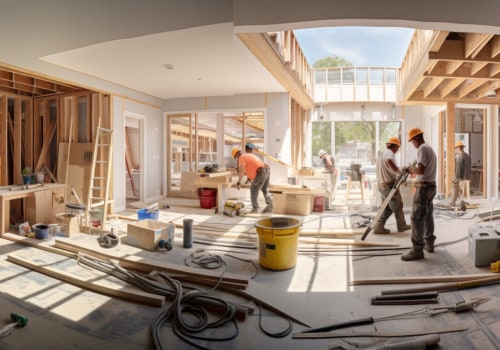
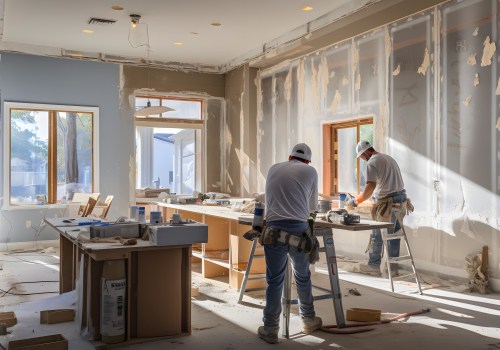
Embarking on a building renovation project can be both exciting and daunting. Understanding the building renovation process is crucial for ensuring that your project not only meets your vision but also adheres to the timeline you have set. Renovations can range from minor updates to extensive overhauls, and each phase of the process plays a significant role in determining the overall success and efficiency of the project. The renovation phases typically begin with planning and design, where you outline your goals, budget, and timeline. This initial stage is critical as it sets the foundation for all subsequent activities.
Following this, the actual construction phase commences, which may include demolition, structural changes, and installations. Each of these steps requires careful coordination among various contractors and suppliers to avoid delays. As you navigate through the project timeline, it’s essential to remain flexible yet focused. Unexpected challenges can arise, from supply chain issues to weather-related delays, which can impact your schedule. By understanding each phase of the renovation process and anticipating potential hurdles, you can better manage your time and resources, ensuring that your building renovation is completed on time and within budget.
Setting a Realistic Timeline for Your Renovation
Creating a realistic timeline for your building renovation project is essential to ensure that it stays on track and meets your expectations.A well-structured timeline not only helps in managing resources effectively but also minimizes stress during the renovation process. To set a realistic timeline, consider the following factors:
- Scope of Work: Clearly define the extent of the renovation. Are you making minor updates or undertaking a major overhaul? The larger the scope, the longer the timeline will need to be.
- Permits and Regulations: Research local building codes and obtain necessary permits early in the process. Delays in securing permits can significantly impact your schedule.
- Contractor Availability: Consult with contractors to understand their availability. If they are booked for several months, your project will inevitably be delayed.
- Material Lead Times: Some materials may have long lead times.
Order essential items as soon as possible to avoid waiting for deliveries that can stall progress.
- Weather Conditions: If your renovation involves outdoor work, consider seasonal weather patterns that could affect timelines.
Choosing the Right Team for Your Renovation
When embarking on a building renovation project, the selection of the right team is crucial for ensuring timely completion.A well-chosen team not only brings expertise but also fosters effective communication and collaboration, which are essential for adhering to project timelines.
1.Assessing Qualifications and Experience
- Start by evaluating potential contractors based on their qualifications and past experience with similar renovation projects. Look for portfolios that showcase their work and client testimonials that speak to their reliability.
- Verify licenses and insurance to ensure that they meet local regulations and can handle any unforeseen issues that may arise during the renovation.
2.Importance of Project Management
A skilled project manager plays a pivotal role in keeping the renovation on track. They are responsible for:
- Coordinating between different tradespeople, ensuring that everyone is on the same page regarding timelines and expectations.
- Monitoring progress and addressing any delays promptly to prevent them from snowballing into larger issues.
- Managing the budget effectively, which can also impact the timeline if funds are not allocated properly.
3.Team Dynamics
The chemistry between team members can significantly influence the success of a building renovation. A cohesive team that communicates well is more likely to navigate challenges efficiently.
Consider the following:
- Hold initial meetings to gauge how well potential team members interact with each other and with you as the client.
- Encourage open lines of communication throughout the project, allowing for quick resolution of any issues that may arise.
Effective Communication Throughout the Project
Effective communication is a cornerstone of successful building renovation projects. It ensures that all stakeholders are aligned, informed, and engaged throughout the renovation process. Here are some strategies to enhance communication:- Establish Clear Communication Channels: Define how information will be shared among team members, contractors, and clients.
Utilize tools like email, project management software, or messaging apps to facilitate real-time updates.
- Regular Project Updates: Schedule consistent meetings or send out weekly updates to keep everyone informed about the project's progress. This helps in addressing any potential issues before they escalate.
- Engage Stakeholders: Involve all relevant parties in discussions and decision-making processes. This not only fosters a sense of ownership but also encourages diverse input that can lead to better solutions.
- Document Everything: Keep a record of all communications, decisions made, and changes to the project scope. This documentation can serve as a reference point and help resolve disputes if they arise.
- Encourage Feedback: Create an environment where team members feel comfortable sharing their thoughts and concerns.
Constructive feedback can lead to improvements in workflow and project execution.
Managing Unexpected Challenges and Delays
Renovating a building can be an exciting yet challenging endeavor. One of the most significant hurdles that project managers face is unexpected challenges and delays. These can arise from various sources, including unforeseen structural issues, supply chain disruptions, or even adverse weather conditions.To navigate these potential pitfalls effectively, it is crucial to implement robust contingency planning.
Identifying Common Renovation Challenges
- Structural Issues: Hidden problems such as mold, outdated wiring, or plumbing issues can surface once renovations begin.
- Permitting Delays: Securing the necessary permits can take longer than anticipated, especially if additional inspections are required.
- Supply Chain Disruptions: Material shortages or delays in delivery can halt progress on the project.
- Labor Shortages: Finding skilled labor can be challenging, leading to delays in project timelines.
Strategies for Handling Delays
- Establish a Buffer Period: When planning your renovation timeline, include a buffer period to accommodate potential delays.
- Regular Communication: Maintain open lines of communication with contractors and suppliers to stay informed about any issues that may arise.
- Flexible Scheduling: Be prepared to adjust your schedule based on the availability of materials and labor.
- Document Everything: Keep detailed records of all communications and decisions made during the renovation process to help resolve disputes quickly.
The Importance of Contingency Plans
A well-thought-out contingency plan is essential for minimizing the impact of unexpected challenges. This plan should outline alternative strategies for critical aspects of the renovation, such as sourcing materials from different suppliers or adjusting timelines based on labor availability. By anticipating potential setbacks and having a clear plan in place, you can significantly reduce stress and keep your project on track.In conclusion, while challenges are an inevitable part of any building renovation project, proactive management and effective contingency planning can help ensure that your project is completed on time. By being prepared for the unexpected, you can navigate delays with confidence and achieve your renovation goals successfully.
Utilizing Technology to Streamline Renovation Projects
In the fast-paced world of building renovation, leveraging technology can significantly enhance project efficiency and ensure timely completion.By utilizing various renovation technology tools, project managers can streamline processes, improve communication, and minimize delays.
Project Management Tools
One of the most effective ways to keep a renovation project on track is through the use of project management tools. These platforms allow teams to:- Track progress: Monitor tasks and milestones in real-time.
- Assign responsibilities: Clearly define roles and responsibilities among team members.
- Manage budgets: Keep an eye on expenses to avoid overspending.
- Facilitate communication: Ensure all stakeholders are informed and engaged throughout the process.
Software Solutions for Design and Planning
In addition to project management, specialized software solutions can aid in the design and planning phases of a renovation. Tools such as AutoCAD, SketchUp, and BIM (Building Information Modeling) software allow architects and designers to create detailed plans and 3D models. This not only helps in visualizing the final outcome but also assists in identifying potential issues before construction begins.Mobile Applications for On-Site Management
The use of mobile applications can further enhance on-site management during a renovation.Apps like Fieldwire and PlanGrid enable teams to:
- Access plans: View blueprints and documents directly from the job site.
- Document progress: Capture photos and notes to keep a record of work completed.
- Solve issues quickly: Communicate problems instantly with team members or contractors.
Regular Monitoring and Adjustments During Renovation
To ensure that a building renovation project is completed on time, regular monitoring and adjustments are crucial. This process involves consistently tracking the progress of the renovation against the established timeline and making necessary changes to keep everything on track.Project Monitoring
- Establish a clear timeline with specific milestones that can be easily monitored.
- Utilize project management tools to visualize progress and identify any delays early on.
- Schedule regular check-ins with contractors and team members to discuss progress and address any issues that may arise.
Timeline Adjustments
- If delays are identified, assess the reasons behind them. Are they due to unforeseen circumstances, or could they have been anticipated?
- Consider reallocating resources or adjusting the project scope to meet deadlines without compromising quality.
- Communicate any changes in the timeline to all stakeholders promptly to ensure everyone is aligned.
Progress Tracking
- Implement a system for documenting daily or weekly progress, which can help in identifying trends and potential bottlenecks.
- Encourage open communication among team members to foster a collaborative environment where issues can be addressed swiftly.
- Use visual aids, such as Gantt charts or dashboards, to provide a clear overview of the project's status at any given time.
Conclusion: Key Takeaways for Timely Renovations
In conclusion, ensuring that a building renovation project is completed on time requires careful planning, effective communication, and proactive management.By implementing the strategies discussed throughout this article, you can significantly enhance the likelihood of a timely completion.
- Establish a Clear Timeline: Begin with a detailed project timeline that outlines all phases of the renovation. This should include milestones and deadlines for each stage, allowing for better tracking of progress.
- Choose the Right Team: Selecting experienced contractors and skilled professionals is crucial. Their expertise can help anticipate potential delays and navigate challenges efficiently.
- Regular Communication: Maintain open lines of communication among all stakeholders, including contractors, suppliers, and team members. Regular updates can help identify issues early and keep everyone aligned with the project goals.
- Budget for Contingencies: Unexpected issues often arise during renovations.
Allocating a contingency budget can provide the necessary funds to address these challenges without derailing the timeline.
- Monitor Progress Closely: Regularly review the progress against the established timeline. This allows for quick adjustments if any phase is falling behind schedule.