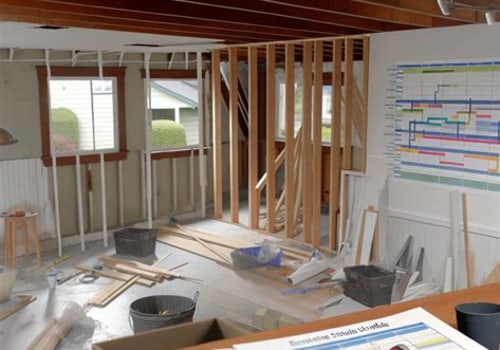
Building renovations are often seen as an exciting opportunity to transform a space, whether it’s updating a kitchen, expanding a living area, or restoring a historic property. However, the renovation process can be fraught with challenges that may not be immediately apparent. Understanding the nature of building renovations is crucial for anyone embarking on this journey. It’s essential to recognize that while you may have a clear vision and plan, unexpected issues can arise at any moment, impacting both the timeline and budget of your project. Common expectations during a renovation include timelines, costs, and the overall scope of work.
Yet, many homeowners find themselves unprepared for the reality of unforeseen complications such as structural issues, permit delays, or even supply chain disruptions. These factors can lead to significant changes in the original plan, making it vital to approach your renovation with flexibility and a proactive mindset. Being prepared for these unexpected changes not only helps in managing stress but also ensures that your renovation project remains on track. By anticipating potential challenges and having contingency plans in place, you can navigate the complexities of building renovations more effectively. This understanding sets the stage for a successful renovation experience, allowing you to focus on creating the space you’ve always envisioned.
Common Unexpected Issues in Building Renovations
During a building renovation, homeowners often encounter a variety of unexpected issues that can complicate the project.Being aware of these common challenges can help in planning and mitigating their impact.
Structural Problems
One of the most significant surprises can be structural problems. Older buildings may have hidden issues such as:- Water damage that compromises the integrity of walls and foundations.
- Pest infestations that weaken wooden structures.
- Cracks in the foundation that require immediate attention.
Permit Delays
Another common issue is permit delays. Renovations often require various permits, and the approval process can be lengthy. Homeowners should:- Research local regulations before starting the project.
- Allow extra time for permit approvals in their project timeline.
Budget Overruns
Budget overruns are also prevalent in renovation projects.Unexpected costs can arise from:
- Changes in material prices.
- Additional labor costs due to unforeseen complications.
- Upgrades that may seem necessary once work begins.
Strategies for Anticipating and Mitigating Risks
When embarking on a building renovation project, anticipating and mitigating risks is crucial for a successful outcome. By implementing proactive strategies, homeowners and project managers can navigate unexpected issues with greater ease.Thorough Planning One of the most effective ways to manage risks is through meticulous planning. This involves creating a detailed renovation plan that outlines every phase of the project, including timelines, budgets, and specific tasks. A well-structured plan not only helps in identifying potential challenges but also sets clear expectations for all parties involved.Hiring Experienced Professionals Engaging skilled professionals is another key strategy.Experienced contractors, architects, and designers bring valuable insights that can help foresee complications that may arise during the renovation process. Their expertise allows them to identify potential issues early on, which can save time and money in the long run.Conducting Pre-Renovation Inspections Before any work begins, conducting thorough pre-renovation inspections is essential. This includes assessing the structural integrity of the building, checking for plumbing or electrical issues, and identifying any environmental concerns such as mold or asbestos. By addressing these problems upfront, you can avoid costly delays and ensure a smoother renovation process.Establishing a Contingency Plan No matter how well you plan, unexpected issues can still arise.
Therefore, it’s wise to establish a contingency plan that outlines how to handle unforeseen circumstances. This could involve setting aside a portion of your budget for emergencies or having alternative solutions ready for common problems. In summary, by focusing on thorough planning, hiring experienced professionals, conducting pre-renovation inspections, and establishing contingency plans, you can significantly reduce the risks associated with building renovation. These proactive strategies not only enhance the likelihood of a successful project but also provide peace of mind throughout the renovation journey.
Effective Communication with Contractors and Stakeholders
Effective communication is crucial in navigating the complexities of a building renovation project. When unexpected issues arise, having a clear line of communication with contractors and stakeholders can make all the difference in resolving problems swiftly and efficiently.Establishing Open Lines of Communication
- From the outset, set expectations for communication frequency and methods.
Regular updates can help keep everyone informed and engaged.
- Utilize various communication tools such as emails, project management software, and instant messaging apps to facilitate quick exchanges of information.
- Encourage an open-door policy where contractors and stakeholders feel comfortable voicing concerns or suggestions without hesitation.
Active Listening and Feedback
- Practice active listening during discussions. This means not only hearing but understanding the concerns raised by contractors or stakeholders.
- Provide constructive feedback that acknowledges their input while steering the conversation towards solutions.
- Regularly solicit feedback on the renovation process to identify potential issues before they escalate.
Documenting Communication
- Keep a record of all communications, including decisions made and changes agreed upon. This documentation can serve as a reference point if disputes arise later.
- Use meeting minutes to summarize discussions and action items, ensuring everyone is on the same page moving forward.
Building Trust with Contractors
- Foster a relationship built on trust by being transparent about your expectations and budget constraints. This openness encourages contractors to be honest about potential challenges.
- Acknowledge their expertise and experience; this respect can lead to more collaborative problem-solving when issues occur.
By establishing open lines of communication, actively listening, documenting interactions, and building trust, you can navigate challenges more effectively and keep your project on track.
Budgeting for the Unexpected: Financial Strategies for Renovations
When embarking on a building renovation project, one of the most critical aspects to consider is how to effectively manage your budget, especially when unexpected issues arise. A well-planned budget not only helps in tracking expenses but also prepares you for unforeseen costs that can derail your project.Create a Contingency Fund
- Set aside at least 10-20% of your total renovation budget as a contingency fund. This reserve will act as a financial buffer for any unexpected repairs or changes that may occur during the renovation process.
- Consider the scope of your project; larger renovations may require a higher percentage to cover potential surprises.
Prioritize Your Spending
- Identify essential renovations versus cosmetic upgrades. Focus on structural and safety improvements first, such as plumbing, electrical work, and roofing.
- Once the critical areas are addressed, allocate funds for aesthetic enhancements like paint and fixtures.
Regularly Review Your Budget
- Keep track of all expenses and compare them against your initial budget regularly.
This practice will help you identify any discrepancies early on.
- If you notice that certain areas are exceeding their budget, reassess and adjust your spending in less critical areas to maintain overall financial health.
Communicate with Your Contractor
- Maintain open lines of communication with your contractor regarding any potential issues that may arise. Their experience can provide valuable insights into what might go wrong and how to prepare financially.
- Discuss possible scenarios and their associated costs upfront to avoid surprises later in the project.
Case Studies: Real-Life Examples of Handling Renovation Surprises
Handling unexpected issues during a building renovation can be daunting, but many homeowners have successfully navigated these challenges. Here are a few real-life examples that illustrate effective problem-solving strategies.Case Study 1: The Water Damage Dilemma
When the Johnson family began their kitchen renovation, they discovered significant water damage behind the cabinets.Instead of panicking, they took a systematic approach:
- Assessment: They hired a professional to assess the extent of the damage.
- Budget Adjustment: After understanding the costs involved, they adjusted their budget to accommodate necessary repairs.
- Timeline Reevaluation: They communicated with their contractor to revise the project timeline, ensuring that the repairs would not delay the overall renovation.
Case Study 2: Structural Surprises
The Martinez couple faced an unexpected challenge when they discovered that their home’s foundation was weaker than anticipated. Their response included:- Consulting Experts: They brought in a structural engineer to evaluate the situation and recommend solutions.
- Prioritizing Safety: They prioritized safety by halting work until the foundation issues were resolved.
- Long-Term Planning: They incorporated foundation reinforcement into their renovation plans, ensuring future stability.
Case Study 3: Design Changes Mid-Project
The Lee family initially planned a simple bathroom update but decided mid-project to expand their shower space. To manage this change effectively, they:- Communicated Clearly: They discussed their new vision with their contractor to understand implications on cost and time.
- Flexible Budgeting: They allocated additional funds for the upgrade while ensuring other areas of the project remained on track.
- Emphasized Collaboration: They worked closely with their designer to ensure that the new layout met both aesthetic and functional needs.
FAQs About Handling Unexpected Issues in Building Renovations
When embarking on a building renovation, unexpected issues can arise, leaving homeowners feeling overwhelmed.Here are some frequently asked questions that can help you navigate these challenges effectively.
What are common unexpected issues during a building renovation?
- Structural problems: Discovering issues with the foundation or walls can significantly impact your project.
- Permitting delays: Changes in local regulations or missing paperwork can halt progress.
- Budget overruns: Unforeseen expenses often arise, especially if additional work is needed.
- Material shortages: Supply chain disruptions can delay timelines and increase costs.
How can I prepare for unexpected issues?
Preparation is key to managing surprises during a building renovation. Here are some strategies:- Create a contingency budget: Set aside 10-20% of your total budget for unexpected costs.
- Conduct thorough inspections: Before starting, have a professional assess the property to identify potential issues.
- Stay informed: Keep up with local building codes and regulations to avoid permitting issues.
What should I do if an unexpected issue arises?
If you encounter an issue, follow these steps:- Assess the situation: Determine the severity of the problem and its impact on your project timeline.
- Consult with professionals: Reach out to your contractor or a specialist for advice on how to proceed.
- Communicate with stakeholders: Keep all parties informed about changes and potential delays to manage expectations.
Conclusion: Embracing Flexibility in Your Renovation Journey
In conclusion, navigating the complexities of a building renovation requires not only careful planning but also a willingness to adapt to unforeseen circumstances. Throughout this journey, we have explored various strategies to effectively manage unexpected issues, emphasizing the importance of flexibility and preparedness. When embarking on a renovation project, it is crucial to:- Establish a Contingency Plan: Always allocate a portion of your budget for unexpected expenses. This financial cushion can alleviate stress when surprises arise.
- Communicate Openly: Maintain clear lines of communication with your contractors and team.
Regular updates can help identify potential issues before they escalate.
- Stay Informed: Understanding the renovation process and potential challenges can empower you to make informed decisions quickly.
- Be Patient: Renovations often take longer than anticipated. Cultivating patience can help you manage stress and maintain a positive outlook.