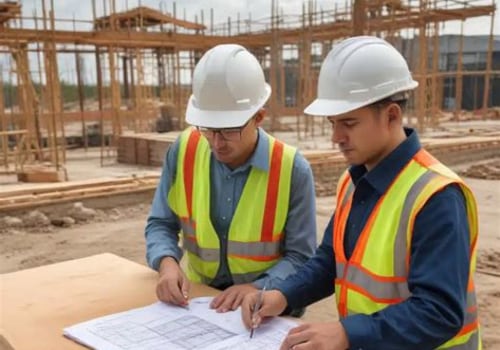
When embarking on a building renovation project, the choice of contractor can significantly influence the outcome. Hiring reliable contractors is not just a matter of convenience; it is essential for ensuring that your renovation is completed on time, within budget, and to the highest standards. The importance of contractor reliability cannot be overstated, as it directly impacts the quality of work and your overall satisfaction with the project. Reliable contractors bring a wealth of experience and expertise to the table, which is crucial in navigating the complexities of building renovation. They understand local building codes, have established relationships with suppliers, and can provide valuable insights into design and material choices.
Moreover, trustworthy contractors are committed to transparency and communication, keeping you informed throughout the renovation process. This level of professionalism not only fosters a positive working relationship but also minimizes the risk of costly mistakes and delays. In contrast, hiring unreliable contractors can lead to a myriad of issues, including subpar workmanship, missed deadlines, and unexpected expenses. These challenges can turn your dream renovation into a nightmare, causing stress and frustration. Therefore, understanding the significance of hiring reliable contractors is the first step in ensuring that your building renovation project is successful.
As we delve deeper into this topic, we will explore effective strategies for finding trustworthy professionals who can bring your vision to life.
Defining Your Renovation Needs
Before embarking on a building renovation project, it is essential to clearly define your renovation needs. This initial step will not only guide your project but also help you communicate effectively with potential contractors.Assessing Your Current Space
- Begin by evaluating the existing conditions of your space. Identify areas that require improvement, such as outdated fixtures, structural issues, or inefficient layouts.
- Consider the functionality of each room. Are there spaces that are underutilized? Do you need more storage or better flow between areas?
Establishing Your Goals
- Determine what you want to achieve with your renovation.
Are you looking to increase property value, enhance aesthetics, or improve energy efficiency?
- Set specific goals for each area of the renovation. For example, if you're renovating a kitchen, consider whether you want to expand the space, update appliances, or improve lighting.
Defining the Project Scope
- Outline the scope of work required for your renovation. This includes identifying which areas will be renovated and what specific changes will be made.
- Consider whether you need to hire specialists for certain tasks, such as plumbing or electrical work, and factor this into your project scope.
Budgeting for Your Renovation
- Establish a realistic budget that encompasses all aspects of the renovation, including materials, labor, and any unforeseen expenses.
- Research average costs for similar projects in your area to ensure your budget aligns with market rates.
Where to Search for Reliable Contractors
Finding reliable contractors for your building renovation project can be a daunting task, but utilizing the right resources can simplify the process significantly.Here are some effective methods to help you in your search:
- Online Directories: Websites like Angie's List, HomeAdvisor, and Yelp provide extensive listings of contractors along with customer reviews. These platforms allow you to filter results based on your specific needs, such as location and type of renovation.
- Referrals from Friends and Family: One of the most trustworthy ways to find a contractor is through personal recommendations. Ask friends, family, or colleagues if they have had positive experiences with contractors in your area. This can lead you to reliable professionals who have already proven their worth.
- Local Home Improvement Stores: Many local hardware and home improvement stores maintain lists of contractors who frequently purchase materials from them.
Staff members can often provide insights into which contractors are reputable and skilled.
- Social Media and Community Groups: Platforms like Facebook and Nextdoor have community groups where residents share recommendations for local services, including contractors. Engaging in these groups can yield valuable leads and firsthand accounts of others' experiences.
- Professional Associations: Look for contractors who are members of professional organizations such as the National Association of Home Builders (NAHB) or the National Association of the Remodeling Industry (NARI). Membership in these associations often indicates a commitment to quality and ethical business practices.
Evaluating Contractor Credentials and Experience
When embarking on a building renovation project, evaluating a contractor's credentials and experience is crucial to ensure a successful outcome.Here are key factors to consider:
- Licenses and Certifications: Verify that the contractor holds the necessary licenses required by your state or local government. This not only demonstrates their legitimacy but also ensures they are knowledgeable about local building codes and regulations.
- Insurance Coverage: A reputable contractor should have both liability insurance and workers' compensation insurance. This protects you from potential liabilities in case of accidents or damages during the renovation process.
- Experience in Building Renovation: Look for contractors who specialize in building renovations. Ask about their experience with similar projects, including the types of renovations they have completed and their familiarity with the specific challenges that may arise.
- Request References: Ask for a list of past clients and contact them to inquire about their experiences.
Pay attention to the quality of work, adherence to timelines, and overall satisfaction.
- Review Portfolios: A well-established contractor should have a portfolio showcasing their previous work. This can provide insight into their style, craftsmanship, and the scope of projects they can handle.
- Check Online Reviews: Utilize platforms like Yelp, Google Reviews, or Angie's List to read feedback from other homeowners. Look for patterns in reviews that highlight strengths or weaknesses.
Checking Reviews and References
When embarking on a building renovation project, one of the most critical steps is to thoroughly assess potential contractors. This process begins with checking reviews and contacting references to ensure you are hiring a reliable professional.Importance of Reviews
Online reviews can provide valuable insights into a contractor's past performance.
Websites like Yelp, Angie's List, and Google Reviews allow previous clients to share their experiences. Look for:
- Overall Ratings: A high rating often indicates consistent quality.
- Recent Feedback: Pay attention to the most recent reviews, as they reflect the contractor's current work standards.
- Specific Comments: Look for details about the quality of work, adherence to timelines, and communication skills.
Contacting References
In addition to reading online reviews, it’s essential to contact references provided by the contractor. This step allows you to gain firsthand accounts of their work ethic and reliability. When reaching out, consider asking the following questions:
- How did the project go? Inquire about the overall experience and satisfaction with the completed work.
- Were there any issues? Understanding how the contractor handled challenges can reveal their problem-solving abilities.
- Would you hire them again? A positive response here is a strong indicator of trustworthiness.
Building Renovation Testimonials
Look for testimonials on the contractor's website or social media pages.
These can provide additional context about their work style and customer service. A contractor who showcases positive testimonials demonstrates confidence in their abilities and a commitment to client satisfaction.By diligently checking reviews and contacting references, you can significantly increase your chances of finding a reliable contractor for your building renovation. This due diligence not only helps ensure quality work but also fosters a smoother renovation process overall.
Interviewing Potential Contractors
When it comes to building renovation, selecting the right contractor is crucial for the success of your project. One of the most effective ways to gauge a contractor's suitability is through a thorough interview process.Here are some essential tips and questions to consider during your interviews.
Key Questions to Ask
- What is your experience with similar projects? Understanding their background in building renovation can provide insight into their expertise and reliability.
- Can you provide references? Requesting references from past clients allows you to verify their work quality and professionalism.
- What is your estimated timeline for this project? A clear timeline helps set expectations and ensures that the contractor can meet your deadlines.
- How do you handle unexpected issues? Renovation projects often encounter surprises; knowing how a contractor addresses these challenges is vital.
- What is included in your estimate? Ensure you understand what services, materials, and labor costs are covered in their proposal.
Interview Tips
- Prepare in advance: Write down your questions and any specific concerns you have about the renovation.
- Be observant: Pay attention to how the contractor communicates. Are they clear, respectful, and attentive to your needs?
- Trust your instincts: If something feels off during the interview, it’s worth considering other options.
- Discuss payment terms: Clarify how payments will be structured throughout the project to avoid misunderstandings later on.
Understanding Contracts and Estimates
When embarking on a building renovation project, understanding the contracts and estimates provided by contractors is crucial to ensure a smooth process. A well-drafted contract serves as a roadmap for the project, outlining the responsibilities of both parties and protecting your interests.Key Components of Contractor Contracts
- Scope of Work: This section details what tasks the contractor will perform.
Ensure it aligns with your renovation goals.
- Timeline: Look for a clear timeline that specifies start and completion dates. Delays can be costly, so having this in writing is essential.
- Payment Terms: Understand how and when payments will be made. This could be a fixed price, hourly rate, or milestone payments based on project phases.
- Change Orders: Renovation projects often require adjustments. Ensure the contract outlines how changes will be handled and documented.
- Warranties and Guarantees: Check for any warranties on workmanship or materials, which can provide peace of mind.
Understanding Estimates
An estimate is an educated guess of the total cost of your renovation.It’s important to differentiate between a rough estimate, which provides a ballpark figure, and a detailed estimate, which breaks down costs by labor, materials, and other expenses.
- Itemized Costs: A detailed estimate should list all materials and labor costs. This transparency helps you understand where your money is going.
- Contingency Fees: Many estimates include a contingency fee for unexpected expenses. Typically, this is around 10-20% of the total cost.
- Validity Period: Estimates may have an expiration date. Be sure to confirm how long the quoted prices are valid to avoid surprises later.
Always feel free to ask questions or request clarifications from your contractor to ensure you are fully informed before signing any agreements.
Red Flags to Watch Out For When Hiring Contractors
When embarking on a building renovation project, it’s crucial to be vigilant about the contractors you consider hiring. There are several red flags that can indicate an unreliable contractor, and recognizing these warning signs early can save you from potential headaches and financial loss.- Lack of Proper Licensing and Insurance: Always verify that your contractor has the necessary licenses and insurance. A legitimate contractor should be able to provide proof of both. If they hesitate or cannot produce these documents, it’s a significant warning sign.
- Unclear or Vague Estimates: If a contractor provides an estimate that lacks detail or is significantly lower than others, proceed with caution.
This could indicate hidden costs or a lack of experience. A reliable contractor will offer a comprehensive breakdown of costs.
- Poor Communication: Effective communication is key in any renovation project. If a contractor is unresponsive, fails to return calls, or does not provide updates, it may reflect their overall work ethic and reliability.
- Negative Reviews and References: Always check online reviews and ask for references. If previous clients report issues such as missed deadlines or poor workmanship, take these comments seriously.
A reputable contractor should have positive feedback from past projects.
- High Pressure Sales Tactics: Be wary of contractors who pressure you into making quick decisions or signing contracts on the spot. A trustworthy contractor will give you time to consider your options and will encourage you to do your due diligence.
FAQs About Finding Reliable Contractors for Building Renovations
When embarking on a building renovation project, finding a reliable contractor is crucial. Here are some frequently asked questions that can help guide you through the process:- What should I look for in a contractor?
When searching for a contractor, consider their experience, reputation, and specialization in building renovations.Look for online reviews, ask for references, and check their portfolio to ensure they have successfully completed similar projects.
- How do I verify a contractor's credentials?
Always verify that the contractor is licensed and insured. You can check with your state’s licensing board to confirm their credentials. Additionally, inquire about any certifications that demonstrate their expertise in building renovation. - What questions should I ask during the interview?
Prepare a list of questions to ask potential contractors, such as:- What is your estimated timeline for this project?
- Can you provide a detailed written estimate?
- How do you handle unexpected issues or changes during the renovation?
- How can I ensure the project stays on budget?
Discuss your budget openly with the contractor and request a detailed breakdown of costs. Establish a clear contract that outlines payment schedules and what is included in the price to avoid any surprises. - What should I do if I have concerns during the renovation?
If issues arise, communicate directly with your contractor.A reliable contractor will be open to discussing your concerns and finding solutions. Document any problems and resolutions to keep track of progress.
Conclusion: Making Informed Decisions for Your Renovation Project
In conclusion, navigating the world of building renovation requires a strategic approach, especially when it comes to selecting the right contractors. The success of your renovation project hinges on making informed decisions that align with your vision and budget. Throughout this article, we have emphasized several key points that are crucial for finding reliable contractors:- Research and Recommendations: Start by gathering recommendations from friends, family, or online platforms. A contractor with a solid reputation is often the best choice.
- Verify Credentials: Always check for licenses, insurance, and certifications.
This not only protects you but also ensures that the contractor meets industry standards.
- Review Portfolios: Examine previous work to gauge the contractor's style and quality. A well-documented portfolio can provide insight into their capabilities.
- Get Multiple Quotes: Don’t settle for the first estimate. Obtaining multiple quotes allows you to compare prices and services, ensuring you get the best value for your investment.
- Communicate Clearly: Establish open lines of communication from the start. Discuss your expectations, timelines, and any concerns to avoid misunderstandings later on.
By following these guidelines, you can ensure that your building renovation project is not only successful but also a rewarding experience.