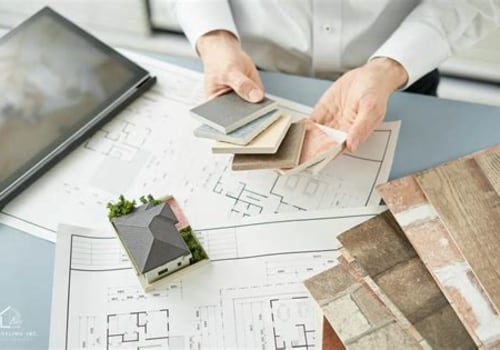
In the realm of real estate, building renovation stands as a pivotal strategy for homeowners and investors alike, aiming to enhance the overall value of a property. This process involves not just cosmetic updates but also structural improvements that can significantly elevate a property's appeal and functionality. Understanding the nuances of building renovation is essential for anyone looking to maximize their investment, as it can lead to substantial returns in both market value and livability. The importance of renovation cannot be overstated; it serves as a means to modernize outdated spaces, rectify structural issues, and adapt properties to meet current market demands. Whether it’s updating kitchens and bathrooms, enhancing curb appeal, or adding energy-efficient features, each renovation project contributes to a property’s desirability.
As potential buyers increasingly seek homes that reflect contemporary tastes and sustainable practices, investing in thoughtful renovations can set a property apart in a competitive market. Moreover, building renovation is not merely about aesthetics; it also encompasses improving safety standards and increasing energy efficiency. These upgrades not only make a home more comfortable but also reduce long-term operational costs, making the property more attractive to prospective buyers. As we delve deeper into specific strategies for adding value through renovation, it becomes clear that each decision made during this process can have lasting implications on both the property’s worth and its overall appeal.
Assessing Your Property's Current Value and Potential
Before embarking on a building renovation project, it is crucial to assess your property's current value and its potential for improvement. This evaluation will help you make informed decisions about where to invest your renovation budget for the best return on investment.1.Conduct a Property Assessment
- Start by hiring a professional appraiser who can provide an accurate valuation of your property based on its current condition, location, and market trends.
- Consider the age of the property, its architectural style, and any unique features that may enhance its appeal.
- Evaluate the condition of essential systems such as plumbing, electrical, and HVAC, as these can significantly impact your property's value.
2.Analyze Comparable Properties
- Research similar properties in your area that have recently sold or are currently on the market.
This will give you a benchmark for your property's value.
- Pay attention to properties that have undergone renovations; note what improvements were made and how they affected sale prices.
3.Identify Areas for Improvement
- Focus on high-impact areas such as kitchens and bathrooms, which often yield the highest returns when renovated.
- Consider curb appeal enhancements like landscaping or exterior painting, which can create a strong first impression.
- Look for underutilized spaces in your home, such as basements or attics, that can be transformed into functional living areas.
4.Estimate Renovation Costs
- Create a detailed budget that includes materials, labor, and any permits required for your renovation project.
- Consult with contractors to get estimates on potential renovations to ensure your plans align with your financial goals.
Key Renovation Projects That Add Value
When considering building renovation projects that can significantly enhance property value, several key areas stand out. These renovations not only improve the aesthetic appeal of a home but also increase its functionality and energy efficiency.Kitchen Remodels
The kitchen is often regarded as the heart of the home. A well-executed kitchen remodel can yield a high return on investment. Focus on modernizing appliances, updating countertops, and improving cabinetry.Open-concept designs that enhance flow and space are particularly appealing to potential buyers.
Bathroom Upgrades
Bathrooms are another critical area where renovations can add substantial value. Simple upgrades such as new fixtures, updated tiles, and improved lighting can make a significant difference. Consider adding features like double sinks or a walk-in shower to attract buyers looking for luxury.Energy-Efficient Improvements
In today’s market, energy efficiency is a major selling point. Renovations that include energy-efficient windows, improved insulation, and modern HVAC systems not only reduce utility costs but also appeal to environmentally conscious buyers.Solar panels are also becoming increasingly popular and can provide long-term savings.
Curb Appeal Enhancements
The exterior of your home is the first impression potential buyers will have. Simple renovations such as landscaping, painting the front door, or adding outdoor lighting can significantly boost curb appeal. A well-maintained exterior invites buyers to explore the interior.Additional Living Space
Creating additional living space through basement finishing or attic conversions can greatly increase property value. These projects provide more usable square footage, which is highly desirable in the real estate market.In conclusion, focusing on these key renovation projects can effectively add value to your property.By investing in areas that enhance both functionality and aesthetics, homeowners can ensure a higher return on their renovation investments.
The Role of Curb Appeal in Property Value
When it comes to building renovation, one of the most impactful areas to focus on is curb appeal. This term refers to the attractiveness of a property as viewed from the street, and it plays a crucial role in how potential buyers perceive a home. Enhancing curb appeal can lead to a significant increase in property value, making it a worthwhile investment during any renovation project.One effective way to boost curb appeal is through thoughtful landscaping. A well-maintained yard with vibrant flowers, neatly trimmed shrubs, and healthy grass can create an inviting atmosphere.Consider incorporating native plants that require less maintenance and are more sustainable. Additionally, adding features such as flower beds, decorative stones, or even a small garden can enhance the visual interest of your property.Another important aspect of curb appeal is the condition of the exterior of the home.
Exterior renovations
can range from simple paint jobs to more extensive upgrades like new siding or roofing. A fresh coat of paint in modern, appealing colors can make a home look new and well-cared-for.If your siding is outdated or damaged, replacing it with contemporary materials can not only improve aesthetics but also increase energy efficiency.
- Front Door Upgrade: Replacing an old front door with a stylish, modern option can serve as a focal point and enhance overall appeal.
- Lighting Fixtures: Installing attractive outdoor lighting can highlight landscaping features and improve safety.
- Walkways and Driveways: Repairing or upgrading walkways and driveways with quality materials can create a polished look that draws attention.
Energy Efficiency Upgrades: A Smart Investment
In today's real estate market, energy efficiency is more than just a trend; it's a necessity. Homeowners looking to increase their property value through a building renovation project should consider implementing energy-efficient upgrades. These enhancements not only lower utility costs but also appeal to a growing demographic of eco-conscious buyers.One of the most effective ways to improve energy efficiency is by upgrading insulation.Proper insulation in attics, walls, and basements can significantly reduce heating and cooling costs, making the home more comfortable year-round. Additionally, installing energy-efficient windows can minimize heat loss during winter and keep interiors cool in summer, further enhancing the home's appeal.
Green renovations
can also include the installation of energy-efficient appliances. Modern appliances that are ENERGY STAR certified use less energy and water, which can lead to substantial savings over time. This not only benefits the current homeowner but also serves as a strong selling point for potential buyers.
- Solar Panels: Investing in solar panels can drastically reduce electricity bills and may even allow homeowners to sell excess energy back to the grid.
- Smart Thermostats: These devices optimize heating and cooling schedules based on occupancy, leading to further energy savings.
- LED Lighting: Replacing traditional bulbs with LED lighting is a simple yet effective way to enhance energy efficiency.
By showcasing these eco-friendly features during showings, sellers can attract a niche market willing to pay a premium for homes that align with their values.In conclusion, investing in energy efficiency upgrades during a building renovation project is a smart strategy that yields long-term benefits. Not only do these improvements lower operational costs, but they also enhance the property's marketability, making it an attractive option for future buyers.
Navigating Permits and Regulations for Renovations
When embarking on a building renovation project, understanding the landscape of permits and regulations is crucial. Each municipality has its own set of rules that govern construction and renovation activities, which can significantly impact your project timeline and budget.Understanding Building Permits
- Building permits are typically required for any significant alterations to a property, including structural changes, electrical work, plumbing updates, and even some cosmetic renovations.
- Before starting your project, check with your local building department to determine which permits are necessary. This often involves submitting detailed plans and specifications of the proposed work.
- Failure to obtain the required permits can lead to fines, forced removal of unpermitted work, or complications when selling the property in the future.
Navigating Renovation Regulations
- In addition to building permits, there may be specific renovation regulations that apply to your area.
These can include zoning laws, historical preservation guidelines, and safety codes.
- Zoning laws dictate how properties can be used and may restrict certain types of renovations based on the neighborhood's character or intended use.
- If your property is located in a historic district, you may need to adhere to strict guidelines regarding materials and design to maintain the area's architectural integrity.
Legal Considerations
- Consulting with a legal expert or a contractor familiar with local laws can help you navigate these complexities. They can provide insights into potential legal issues that may arise during your renovation.
- Additionally, ensure that all contracts with contractors are clear about responsibilities regarding permits and compliance with local regulations.
Budgeting for Your Renovation Project: Tips and Tricks
When embarking on a building renovation project, effective budgeting is crucial to ensure that you maximize your return on investment. Here are some practical tips and tricks to help you navigate the financial aspects of your renovation.1.Establish a Clear Budget
Before you start any work, it’s essential to set a clear budget. This should include not only the costs of materials and labor but also a contingency fund for unexpected expenses.A good rule of thumb is to allocate an additional 10-20% of your total budget for unforeseen costs.
2.Get Accurate Cost Estimates
To avoid overspending, obtain detailed cost estimates from multiple contractors. Ensure that these estimates include all aspects of the renovation, such as:- Materials: Research the costs of materials you plan to use.
- Labor: Understand the going rates for skilled labor in your area.
- Permits: Factor in any necessary permits or inspections required by local authorities.
3.Prioritize Your Renovation Goals
Identify which areas of your property will provide the most value and prioritize those in your budget. For instance, kitchen and bathroom renovations often yield higher returns compared to other areas. Focus on improvements that enhance functionality and aesthetic appeal.4.Consider Financing Options
If your budget is tight, explore financing options such as home equity loans or renovation-specific loans.These can provide the necessary funds while allowing you to spread out payments over time.
5.Track Your Expenses
As the renovation progresses, keep a close eye on your expenses. Use budgeting software or spreadsheets to track costs against your initial estimates. This will help you stay on course and make adjustments if necessary.By following these budgeting tips, you can ensure that your building renovation project remains financially viable and ultimately enhances the value of your property.Hiring the Right Professionals for Your Renovation
When embarking on a building renovation project, one of the most critical steps is hiring the right professionals. The success of your renovation largely depends on the expertise and reliability of the contractors you choose.Here are some essential tips to help you find the right experts for your project.
- Research and Referrals: Start by asking friends, family, or colleagues for recommendations. Personal referrals can lead you to trustworthy contractors who have a proven track record.
- Check Credentials: Ensure that any contractor you consider is licensed, insured, and bonded. This protects you from potential liabilities and ensures that the contractor meets industry standards.
- Review Portfolios: Look at previous work done by potential contractors. A strong portfolio showcases their style and quality of work, helping you determine if they align with your vision for the renovation.
- Read Reviews: Online reviews can provide insight into a contractor's reputation.
Websites like Yelp, Angie's List, or Google Reviews can help you gauge customer satisfaction and identify any red flags.
- Get Multiple Quotes: Don’t settle for the first estimate you receive. Obtain quotes from several contractors to compare pricing and services offered. This will also give you a better understanding of the market rate for your renovation.
- Interview Candidates: Once you've narrowed down your options, conduct interviews with potential contractors. Ask about their experience, approach to projects, and how they handle challenges that may arise during renovations.
- Check References: Request references from past clients and follow up with them.
Inquire about their experience working with the contractor, including communication, timeliness, and overall satisfaction with the completed project.
Common Mistakes to Avoid During Renovations
When embarking on a building renovation project, homeowners often encounter various pitfalls that can derail their plans and inflate costs. Understanding these common mistakes can help ensure a smoother renovation process and ultimately add value to your property.- Neglecting a Detailed Plan: One of the most significant errors is starting a renovation without a comprehensive plan. A well-thought-out strategy should include timelines, budgets, and specific goals for the renovation.
Without this, projects can easily spiral out of control.
- Underestimating Costs: Many homeowners fail to account for unexpected expenses. It’s crucial to set aside a contingency fund—typically 10-20% of the total budget—to cover unforeseen issues that may arise during the renovation.
- Ignoring Local Regulations: Failing to check local building codes and regulations can lead to costly fines or even the need to undo completed work. Always consult with local authorities or hire a professional who understands the legal requirements in your area.
- Choosing the Wrong Contractors: Selecting contractors based solely on price can be a grave mistake. It’s essential to vet potential contractors thoroughly, checking references and past work to ensure they have a solid reputation and experience in building renovations.
- Over-Personalizing Design Choices: While it’s important to create a space that reflects your style, overly personal design choices can limit the property’s appeal to future buyers.
Aim for a balance between personal taste and broader market trends.
Conclusion: Maximizing Your Property's Value Through Thoughtful Renovations
In conclusion, strategic building renovations can significantly enhance the value of your property, making it more appealing to potential buyers and increasing its market worth. Throughout this article, we have explored various renovation strategies that not only improve aesthetics but also boost functionality and energy efficiency. One of the most impactful ways to add value is through kitchen and bathroom remodels. These areas are often focal points for buyers, and modernizing them can yield a high return on investment. Additionally, enhancing curb appeal through landscaping and exterior upgrades creates a strong first impression, which is crucial in attracting interest. Moreover, incorporating sustainable practices in your renovations, such as energy-efficient windows and appliances, not only reduces utility costs but also appeals to environmentally conscious buyers.This trend is increasingly important in today’s market. It’s also essential to consider the local real estate market when planning your renovations. Understanding what features are in demand can guide your decisions and ensure that your investments align with buyer expectations. Ultimately, thoughtful renovations should focus on both immediate aesthetic improvements and long-term value enhancements. By prioritizing quality over quantity and making informed choices, you can maximize your property’s potential and secure a profitable return on your investment. In summary, whether you are looking to sell soon or simply want to enjoy a more beautiful living space, investing in building renovations is a wise decision that pays off in multiple ways.