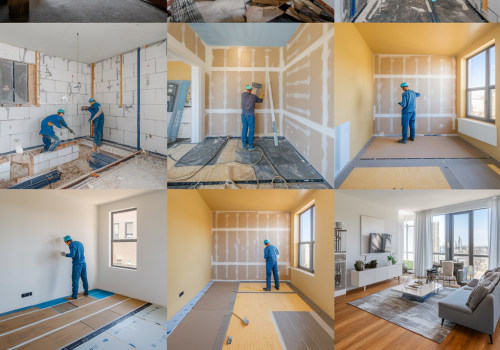
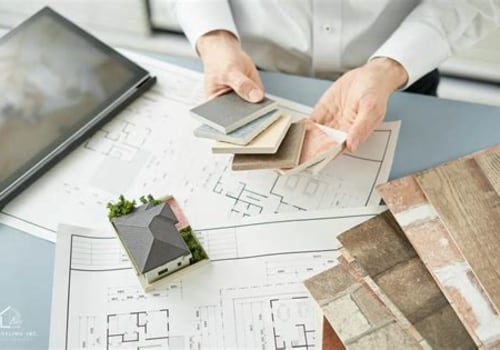
Building renovation is a transformative process that involves updating, restoring, or repurposing existing structures to meet modern standards and needs. This practice is not merely about aesthetics; it plays a crucial role in enhancing the functionality, safety, and energy efficiency of buildings. As urban areas continue to evolve, the importance of building renovation becomes increasingly evident, as it allows for the preservation of historical architecture while integrating contemporary design elements. There are several motivations behind embarking on a building renovation project. Homeowners may seek to increase property value, improve living conditions, or adapt spaces for new purposes.
Businesses often renovate to create more inviting environments for customers or to comply with updated regulations. Additionally, sustainability concerns drive many to renovate older buildings with energy-efficient technologies, reducing their carbon footprint and operational costs. Understanding the significance of building renovation sets the stage for recognizing the challenges that can arise during such projects. From budget constraints to unexpected structural issues, these challenges can complicate even the best-laid plans. By acknowledging these potential hurdles early on, stakeholders can better prepare and strategize for a successful renovation journey.
Common Challenges in Building Renovation Projects
Building renovation projects can be exciting, but they often come with a set of common challenges that can complicate the process.Understanding these challenges can help homeowners and contractors prepare and navigate the renovation landscape more effectively.
- Budget Overruns: One of the most significant challenges in building renovation is staying within budget. Unexpected costs can arise from hidden structural issues, outdated materials, or changes in design plans. It’s crucial to have a contingency fund to cover these surprises.
- Time Delays: Renovation projects often take longer than anticipated due to various factors such as permitting delays, contractor availability, or unforeseen complications. These delays can lead to frustration and additional costs.
- Regulatory Hurdles: Navigating local building codes and regulations can be daunting.
Homeowners may face challenges in obtaining the necessary permits or adhering to zoning laws, which can stall progress.
- Design Conflicts: Aligning the vision of homeowners with the practicalities of construction can lead to conflicts. Miscommunication between designers, contractors, and clients can result in design flaws that need to be rectified.
- Quality Control: Ensuring that all work meets quality standards is essential. Poor workmanship can lead to long-term issues, requiring additional repairs and renovations down the line.
To mitigate these issues, clear communication with contractors and setting realistic expectations from the outset are vital.By being aware of these difficulties in building renovation, homeowners can better prepare for their projects and work towards a successful outcome.
Budget Constraints and Financial Management
One of the most significant challenges faced during a building renovation project is managing budget constraints. Renovations often come with unexpected costs that can quickly derail even the most carefully planned financial strategies. Understanding how to effectively budget for a renovation is crucial to avoid common pitfalls.Budgeting for Building Renovation
- Initial Estimates: Begin with a detailed estimate that includes all potential costs, such as materials, labor, permits, and unexpected contingencies. A good rule of thumb is to add an additional 10-20% to your budget for unforeseen expenses.
- Prioritize Needs vs.
Wants: Clearly distinguish between essential renovations and those that are merely desirable. This prioritization helps in making informed decisions when budget cuts are necessary.
- Regular Monitoring: Keep track of expenses throughout the renovation process. Regularly comparing actual costs against your budget can help identify areas where you may be overspending.
Financial Challenges in Renovations
Financial challenges can arise from various sources during a building renovation. For instance, if the project scope expands due to unforeseen structural issues or design changes, costs can escalate rapidly.
Additionally, delays in the project timeline can lead to increased labor costs and additional fees.
Cost Overruns in Renovations
Cost overruns are a common issue in renovation projects. To mitigate this risk, consider the following strategies:
- Contingency Fund: Set aside a contingency fund specifically for unexpected expenses. This fund should be separate from your main budget to ensure it is available when needed.
- Transparent Communication: Maintain open lines of communication with contractors and suppliers. Discuss any potential changes or issues as they arise to avoid surprises later on.
- Flexible Planning: Be prepared to adjust your plans based on budget realities.
Flexibility can help you make necessary compromises without sacrificing the overall vision of your renovation.
Dealing with Unexpected Structural Issues
During a building renovation, encountering unexpected structural issues is a common challenge that can significantly impact both the timeline and budget of the project. These issues often arise from hidden damage, outdated building codes, or unforeseen complications with existing materials.Identifying Structural Issues
- Inspection: Before starting any renovation, a thorough inspection by a qualified professional is crucial. This can help identify potential problems such as water damage, mold, or compromised foundations.
- Historical Elements: In older buildings, structural elements may not meet current safety standards. Be prepared to address these discrepancies during the renovation process.
- Load-Bearing Walls: Removing or altering load-bearing walls without proper support can lead to significant structural failures.
Always consult with a structural engineer when making such changes.
Addressing Structural Challenges
- Consult Professionals: Engaging with architects and structural engineers early in the renovation can provide insights into potential issues and solutions.
- Budget for Contingencies: Set aside a portion of your budget for unexpected repairs. A good rule of thumb is to allocate 10-20% of your total renovation budget for unforeseen expenses.
- Prioritize Safety: If you discover serious structural issues, prioritize safety by halting work until the problems are addressed. This may involve temporary supports or even relocating occupants if necessary.
Managing Time and Project Delays
Managing time effectively during a building renovation is crucial for the success of the project. One of the most common challenges faced is project delays, which can stem from various factors such as unforeseen structural issues, delays in material delivery, or even weather conditions.These delays not only extend the timeline but can also increase costs significantly.To mitigate these challenges, it’s essential to implement a robust time management strategy. Here are some effective approaches:
- Set Realistic Timelines: When planning your renovation, ensure that the timelines set are achievable. Consider potential setbacks and build in buffer time to accommodate them.
- Prioritize Tasks: Identify critical tasks that must be completed before others can begin. This prioritization helps in maintaining a steady workflow and reduces the chances of bottlenecks.
- Regular Communication: Maintain open lines of communication with contractors, suppliers, and other stakeholders.
Regular updates can help identify potential delays early and allow for quick adjustments.
- Utilize Project Management Tools: Leverage technology by using project management software that allows for tracking progress, scheduling tasks, and managing resources efficiently.
- Plan Ahead: Schedule subcontractors well in advance and confirm their availability before finalizing timelines.
- Be Flexible: While it’s important to stick to a schedule, being adaptable can help you navigate unexpected changes without derailing the entire project.
Choosing the Right Contractors and Professionals
When embarking on a building renovation project, one of the most critical steps is choosing the right contractors and professionals.The success of your renovation largely hinges on the expertise and reliability of the individuals you hire. However, this process is not without its challenges.
Identifying Qualified Contractors
- Start by seeking recommendations from friends, family, or online reviews. This can help you compile a list of potential candidates.
- Verify their credentials, including licenses and insurance, to ensure they are qualified to handle your specific renovation needs.
- Request portfolios of previous work to assess their style and quality.
Evaluating Experience and Specialization
Not all contractors are created equal. Some may specialize in certain types of renovations, such as kitchens or bathrooms, while others may focus on structural changes.
It’s essential to match your project requirements with a contractor's expertise. This alignment can prevent costly mistakes and delays.
Communication Challenges
Effective communication is vital throughout the renovation process. Misunderstandings can lead to errors in execution or unmet expectations. Establish clear lines of communication from the outset, and ensure that both you and your contractor are on the same page regarding timelines, budgets, and design choices.
Budget Overruns
Another common challenge is managing costs.
Renovation projects often encounter unexpected issues that can inflate budgets. To mitigate this risk, it’s advisable to set aside a contingency fund and discuss potential additional costs with your contractor upfront.
Finding Reliable Professionals
The search for reliable professionals can be daunting. Utilize online platforms that connect homeowners with vetted contractors. Additionally, consider interviewing multiple candidates to gauge their professionalism and approach to your project.In conclusion, while hiring contractors for renovations presents several challenges, thorough research and clear communication can significantly enhance your chances of a successful building renovation.
By taking the time to choose wisely, you can ensure that your project runs smoothly and meets your expectations.
Communication Issues Among Stakeholders
Effective communication is crucial in any building renovation project, yet it often presents significant challenges among stakeholders. These stakeholders can include homeowners, contractors, architects, and suppliers, each with their own expectations and priorities. Misunderstandings can lead to delays, increased costs, and frustration.Common Communication Barriers
- Lack of Clarity: Vague instructions or unclear project goals can result in misaligned efforts. Each party must have a clear understanding of the project scope and objectives.
- Different Terminologies: Stakeholders may use industry-specific jargon that others do not understand.
This can create confusion and hinder effective collaboration.
- Inconsistent Updates: Failing to provide regular updates can leave stakeholders feeling out of the loop, leading to mistrust and dissatisfaction.
Strategies for Improving Communication
- Establish Clear Channels: Designate specific communication platforms (like email, project management tools, or messaging apps) to streamline information sharing.
- Regular Meetings: Schedule consistent check-ins to discuss progress, address concerns, and adjust plans as necessary. This fosters transparency and keeps everyone aligned.
- Document Everything: Keep detailed records of decisions made, changes requested, and agreements reached. This documentation serves as a reference point for all parties involved.
- Encourage Feedback: Create an environment where stakeholders feel comfortable voicing their opinions or concerns. This can lead to valuable insights and improved collaboration.
Adapting to Design Changes and Client Expectations
In the realm of building renovation, adapting to design changes is a common challenge that can significantly impact the overall success of a project.As renovations progress, clients may realize that their initial vision does not align with practical realities or may wish to incorporate new ideas that emerge during the process. This can lead to a ripple effect, affecting timelines, budgets, and even the scope of work.To effectively manage these design changes, it is crucial to establish a clear communication channel with clients from the outset. Regular updates and check-ins can help ensure that clients feel involved and informed, reducing the likelihood of unexpected changes later on. Here are some strategies to consider:
- Set Clear Expectations: At the beginning of the project, outline what is feasible within the budget and timeline.
This helps clients understand the limitations and possibilities of their renovation.
- Document Everything: Keep detailed records of all design discussions and decisions. This documentation can serve as a reference point if disagreements arise later.
- Encourage Flexibility: Remind clients that renovations often require adjustments. Encourage them to remain open-minded about potential changes while still honoring their original vision.
It’s essential to balance these expectations with realistic outcomes. Here are some tips for managing client expectations effectively:
- Provide Visual Aids: Use sketches, 3D models, or mood boards to help clients visualize the end result. This can clarify what is achievable and help them make informed decisions.
- Discuss Potential Challenges: Be upfront about possible obstacles that could arise during the renovation process, such as structural issues or supply chain delays.
- Celebrate Milestones: Acknowledge and celebrate key milestones throughout the project. This keeps clients engaged and reassured about progress.
By fostering an environment of open communication and adaptability, contractors can navigate these hurdles more effectively, leading to a successful renovation experience for all parties involved.
Conclusion: Overcoming Challenges for Successful Renovations
In conclusion, navigating the complexities of a building renovation project requires a proactive approach to overcome the myriad of challenges that can arise. From budget constraints to unexpected structural issues, understanding these potential hurdles is crucial for ensuring a successful outcome. Throughout this article, we have highlighted several common challenges:- Budget Overruns: Renovations often exceed initial estimates due to unforeseen circumstances. It is essential to allocate a contingency fund to manage these unexpected costs.
- Time Delays: Projects can be delayed by various factors, including permit approvals and contractor availability. Establishing a realistic timeline and maintaining open communication with all parties involved can help mitigate these delays.
- Design Changes: As renovations progress, clients may wish to alter designs, which can lead to additional costs and time.
Clear communication of design intentions from the outset can minimize these disruptions.
- Compliance Issues: Adhering to local building codes and regulations is vital. Engaging knowledgeable professionals who understand these requirements can prevent costly compliance-related setbacks.