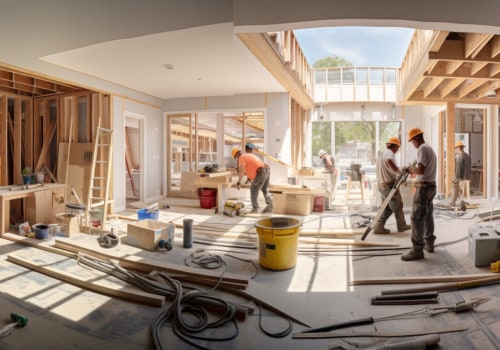
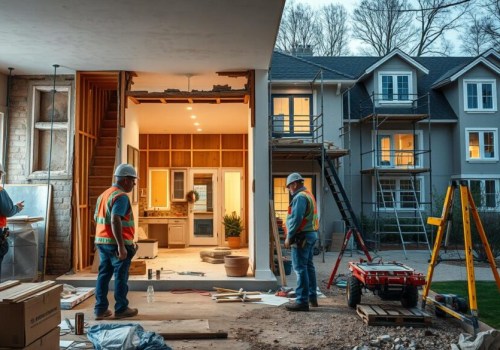
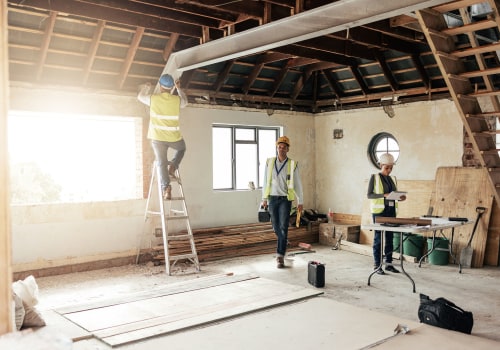
Building renovation is a vital aspect of the real estate and construction industries, encompassing a wide range of activities aimed at improving, updating, or repurposing existing structures. Whether it’s a residential home, a commercial building, or an industrial facility, building renovation plays a crucial role in enhancing property value, ensuring safety, and meeting modern standards. As urban areas evolve and the needs of occupants change, renovations become necessary to adapt to new lifestyles and technologies. Understanding the different types of building renovations is essential for homeowners, investors, and developers alike. Renovations can vary significantly in scope and purpose, from simple cosmetic updates like painting and flooring changes to extensive structural modifications that may involve reconfiguring layouts or adding new spaces.
Each type of renovation serves a unique purpose and can dramatically impact the functionality and aesthetic appeal of a building. In this exploration of building renovation, we will delve into various categories such as restorations, remodels, additions, and adaptive reuse. By understanding these distinctions, stakeholders can make informed decisions that align with their goals—whether that’s increasing property value, improving energy efficiency, or simply creating a more enjoyable living or working environment. Join us as we uncover the multifaceted world of building renovations and their significance in today’s dynamic real estate landscape.
Cosmetic Renovations
Cosmetic renovations are essential for enhancing the visual appeal of a building without making significant structural changes. These renovations focus on aesthetic improvements that can transform a space, making it more inviting and stylish.One of the most common forms of cosmetic renovation is painting.A fresh coat of paint can dramatically change the atmosphere of a room or an entire building. Choosing the right color palette not only reflects personal style but also influences mood and perception. For instance, soft colors can create a calming environment, while bold hues can energize a space.Another vital aspect of cosmetic renovations is flooring. Upgrading flooring materials can significantly enhance the overall look of a building.
Options range from hardwood and laminate to tile and carpet, each offering unique benefits. For example, hardwood floors provide warmth and elegance, while tiles are durable and easy to maintain.
Fixtures
also play a crucial role in cosmetic renovations. Updating light fixtures, faucets, and cabinet hardware can give a space a modern touch without extensive remodeling. Choosing stylish fixtures that complement the overall design theme can elevate the aesthetic quality of both residential and commercial buildings.In addition to these elements, incorporating interior design renovations such as new furniture arrangements, decorative accents, and artwork can further enhance the visual appeal.These changes not only improve aesthetics but also contribute to functionality and comfort.In summary, cosmetic renovations focus on aesthetic improvements that enhance the beauty of a building while maintaining its original structure. By investing in painting, flooring upgrades, and stylish fixtures, property owners can create inviting spaces that reflect their personal style and meet modern design standards.
Structural Renovations
When it comes to building renovation, structural renovations are among the most critical types. These renovations involve significant alterations to a building's framework, which can include modifications to load-bearing walls, foundation repairs, and other essential structural components. Ensuring the integrity of a building during such renovations is paramount, as it directly impacts safety and compliance with local building codes.Load-bearing walls
play a crucial role in supporting the weight of a structure.When renovating, homeowners may wish to remove or alter these walls to create open spaces or improve flow within their homes. However, this must be done with caution. It is essential to consult with a structural engineer to assess the implications of such changes. They can provide guidance on how to redistribute the load effectively, often recommending the installation of beams or columns to maintain structural integrity.Another vital aspect of structural renovations is addressing foundation issues.
Over time, foundations can settle or shift due to various factors such as soil erosion, water damage, or poor construction practices. Foundation repairs may involve underpinning, which strengthens the existing foundation, or even complete replacement in severe cases. Ignoring foundation problems can lead to significant structural damage and safety hazards.In summary, structural renovations are essential for maintaining the safety and longevity of a building. Whether dealing with load-bearing walls or foundation repairs, it is crucial to engage professionals who understand local building codes and can ensure that all renovations are compliant and safe.
This not only protects the occupants but also preserves the value of the property.
Functional Renovations
When considering building renovation, one of the most impactful approaches is through functional renovations. These renovations focus on enhancing the usability of a space, ensuring that it meets the evolving needs of its occupants. By reconfiguring layouts and improving accessibility, functional renovations can transform a property into a more efficient and enjoyable environment.Space optimization
is a key aspect of functional renovations. This involves analyzing how a space is currently used and identifying areas for improvement.For instance, in a residential setting, an underutilized room can be converted into a home office or a playroom, maximizing its potential. In commercial spaces, optimizing layouts can lead to better workflow and increased productivity.Layout changes are another critical component of functional renovations. This may include:
- Open floor plans: Removing walls to create an open concept can enhance natural light and improve social interaction.
- Room reconfiguration: Adjusting the arrangement of furniture or fixtures to create more functional zones within a space.
- Accessibility improvements: Installing ramps, wider doorways, or accessible bathrooms to accommodate individuals with disabilities.
By focusing on space optimization and making thoughtful layout changes, property owners can create environments that are not only aesthetically pleasing but also highly functional and adaptable to changing needs.
Energy-Efficient Renovations
In today's world, energy-efficient renovations are becoming increasingly essential for both environmental sustainability and cost savings. These renovations not only reduce energy consumption but also enhance the overall comfort of a building.One of the most effective ways to improve a building's energy efficiency is through insulation. Proper insulation helps maintain a consistent indoor temperature, reducing the need for heating and cooling systems to work overtime. Common insulation materials include fiberglass, foam board, and spray foam, each offering unique benefits depending on the specific needs of the building.Another critical aspect of sustainable building practices is the installation of energy-efficient windows.Traditional windows can be a significant source of heat loss. By upgrading to double or triple-pane windows with low-emissivity (Low-E) coatings, homeowners can significantly reduce energy costs while improving indoor comfort. These windows reflect heat back into the room during winter and keep it out during summer.Incorporating renewable energy installations, such as solar panels or wind turbines, is also a vital component of energy-efficient renovations. Solar panels can harness sunlight to generate electricity, which can power appliances and lighting, further decreasing reliance on non-renewable energy sources.
Additionally, many local governments offer incentives for homeowners who invest in renewable energy solutions, making them more accessible.Lastly, consider implementing smart home technology as part of your renovation. Smart thermostats and energy monitoring systems allow homeowners to track their energy usage in real-time and make adjustments accordingly. This not only promotes energy conservation but also leads to significant savings on utility bills.In conclusion, green upgrades through energy-efficient renovations are not just beneficial for the environment; they also provide long-term financial advantages for homeowners. By focusing on insulation, window upgrades, renewable energy installations, and smart technology, you can create a more sustainable living space that meets modern energy demands.
Historical Renovations
Renovating historical buildings presents a unique set of challenges that require a delicate balance between modern needs and the preservation of cultural significance.These structures often embody rich histories and architectural styles that are irreplaceable, making their renovation a meticulous process.One of the primary goals in historical renovations is to maintain the integrity of the original design while updating the building for contemporary use. This often involves employing specialized preservation techniques that respect the building's heritage. Here are some key considerations:
- Research and Documentation: Before any physical work begins, thorough research is essential. This includes understanding the building's history, architectural style, and previous renovations.
- Material Selection: Using authentic materials or those that closely match the original is crucial.
This may involve sourcing reclaimed wood, period-appropriate bricks, or traditional plaster.
- Structural Integrity: Assessing and reinforcing the building's structure is vital. This may include underpinning foundations or repairing load-bearing walls to ensure safety without compromising aesthetics.
- Compliance with Regulations: Many historical buildings are protected by local, state, or federal laws. Renovators must navigate these regulations to avoid legal issues while ensuring that their work meets preservation standards.
For instance, installing modern HVAC systems might require creative solutions to hide ductwork without altering visible elements.Ultimately, successful historical renovations not only restore a building's former glory but also breathe new life into it, allowing future generations to appreciate its significance. By respecting the past while accommodating present-day needs, renovators can create spaces that honor history while serving contemporary purposes.
Commercial vs. Residential Renovations
When it comes to building renovation, understanding the differences between commercial and residential renovations is crucial for homeowners and business owners alike. Each type of renovation serves distinct purposes and comes with its own set of requirements.Commercial Renovations
Commercial renovations typically involve properties used for business purposes, such as offices, retail spaces, restaurants, and warehouses.The primary objectives of these renovations often include:
- Enhancing functionality: Businesses may need to reconfigure spaces to improve workflow or accommodate new technology.
- Branding: Renovations can help create a brand identity through design elements that reflect the company’s image.
- Compliance: Upgrading facilities to meet safety codes and regulations is often a necessity in commercial spaces.
Residential Renovations
Residential renovations, on the other hand, focus on private homes. These projects are usually driven by personal preferences and lifestyle changes. Common goals include:- Increasing property value: Homeowners often renovate to boost their home’s market value before selling.
- Improving comfort: Enhancements like kitchen remodels or bathroom upgrades aim to create a more enjoyable living environment.
- Sustainability: Many homeowners are now opting for eco-friendly renovations that reduce energy consumption.
Understanding these distinctions can help stakeholders make informed decisions that align with their specific needs and goals.
Common Challenges in Building Renovations
Building renovations can be an exciting yet challenging endeavor. Understanding the common challenges faced during these projects is crucial for successful outcomes. Here are some of the most prevalent issues that can arise:- Budget Overruns: One of the most significant challenges in building renovation is staying within budget. Unexpected costs can arise from hidden damages, changes in material prices, or additional work required to meet building codes.
- Time Delays: Renovation projects often take longer than anticipated due to various factors such as weather conditions, contractor availability, or unforeseen structural issues.
These delays can lead to increased costs and frustration.
- Design Changes: As renovations progress, clients may want to make changes to the original design. While flexibility is important, frequent alterations can complicate project timelines and budgets.
- Permit and Regulatory Issues: Navigating the necessary permits and regulations can be daunting. Failing to comply with local building codes can result in fines or the need for costly modifications.
- Communication Gaps: Effective communication between all parties involved—homeowners, contractors, and suppliers—is essential. Misunderstandings can lead to mistakes that may be costly to rectify.
- Create a Detailed Plan: Before starting any renovation, develop a comprehensive plan that outlines the scope of work, budget, and timeline.
- Set Realistic Expectations: Understand that renovations often come with surprises.
Setting realistic expectations can help manage stress and disappointment.
- Maintain Open Communication: Regularly check in with your contractor and keep lines of communication open to address any issues promptly.
- Document Everything: Keep detailed records of all communications, contracts, and changes made during the renovation process. This documentation can be invaluable if disputes arise.
FAQs About Building Renovations
When considering building renovations, many homeowners and property investors have questions that can help guide their decisions. Here are some of the most frequently asked questions:- What is the first step in planning a renovation?
The first step is to define your goals. Determine what you want to achieve with the renovation, whether it’s increasing property value, improving functionality, or enhancing aesthetics. - How do I budget for a renovation?
Start by researching costs associated with materials, labor, and permits.It’s wise to set aside an additional 10-20% of your budget for unexpected expenses.
- Do I need a permit for my renovation?
Most significant renovations require permits, especially if they involve structural changes, electrical work, or plumbing. Check with your local building department to understand the requirements. - How long does a typical renovation take?
The duration of a renovation can vary widely based on the scope of work. Minor updates may take a few weeks, while major renovations can last several months. - What are some common mistakes to avoid?
Common mistakes include underestimating costs, failing to plan for contingencies, and not hiring qualified professionals. Always do thorough research and consider consulting with experts.
Additionally, consider the long-term implications of your renovation choices; opting for energy-efficient materials can lead to savings down the line.Ultimately, understanding these common questions about building renovations can empower you to make informed decisions that align with your vision and budget.
Conclusion: The Importance of Thoughtful Renovation Planning
In conclusion, building renovation is a multifaceted process that requires careful consideration and planning. Throughout this article, we have explored various types of renovations, from aesthetic upgrades to structural improvements, each serving distinct purposes and requiring different approaches. As you embark on your own renovation journey, it is crucial to prioritize thoughtful planning. Here are some key takeaways to keep in mind:- Define Your Goals: Clearly outline what you hope to achieve with your renovation. Whether it’s enhancing functionality, increasing property value, or simply refreshing the space, having a clear vision will guide your decisions.
- Budget Wisely: Establish a realistic budget that accounts for all aspects of the renovation, including materials, labor, and unexpected costs.
This will help prevent financial strain and ensure the project stays on track.
- Consult Professionals: Engaging with architects, contractors, and designers can provide valuable insights and expertise. Their experience can help you avoid common pitfalls and streamline the renovation process.
- Consider Sustainability: Incorporating eco-friendly materials and energy-efficient solutions not only benefits the environment but can also lead to long-term savings on utility bills.