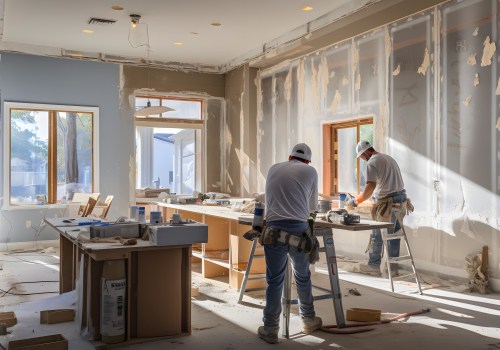
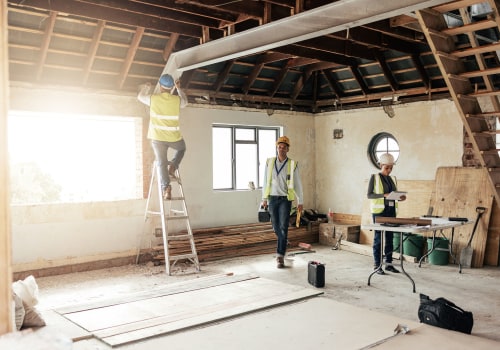
Undergoing a building renovation can be an exciting yet challenging experience, particularly when it comes to maintaining the flow of daily life. Whether it’s a minor update or a major overhaul, renovations often bring about significant changes that can disrupt routines and create unexpected challenges. Understanding the impact of building renovation on daily activities is crucial for homeowners and businesses alike, as it allows for better planning and management of the renovation process. During a renovation, noise, dust, and limited access to certain areas can lead to frustration and inconvenience. For families, this might mean adjusting meal times or finding alternative spaces for work and relaxation.
For businesses, the disruption can affect productivity and customer satisfaction. Recognizing these potential daily life disruptions is the first step in developing strategies to minimize their effects. Moreover, the emotional toll of living or working in a construction zone should not be underestimated. The anticipation of a beautifully renovated space can be overshadowed by the stress of navigating through chaos. Therefore, it’s essential to address these renovation challenges head-on by implementing effective communication with contractors, setting realistic timelines, and preparing for the unexpected.
By doing so, individuals can not only safeguard their daily routines but also enhance their overall renovation experience.
Planning Ahead: The Key to a Smooth Renovation
When embarking on a building renovation project, the importance of thorough planning cannot be overstated. A well-structured plan not only sets the stage for a successful renovation but also minimizes disruptions to your daily activities. Here are some essential steps to consider:- Create a Detailed Project Timeline: Establishing a clear timeline is crucial. Outline each phase of the renovation, from initial design to final touches.
This will help you anticipate when certain areas of your home will be affected and allow you to make necessary arrangements.
- Develop a Pre-Renovation Checklist: A comprehensive checklist can serve as your roadmap throughout the renovation process. Include items such as securing permits, hiring contractors, and scheduling inspections. This ensures that nothing is overlooked and helps keep the project on track.
- Communicate with Your Contractors: Open lines of communication with your contractors can significantly reduce misunderstandings and delays. Discuss your expectations regarding timelines and any potential disruptions, so everyone is on the same page.
- Designate Work Zones: If possible, designate specific areas of your home that will remain untouched during the renovation.
This can help maintain some level of normalcy in your daily routine.
- Prepare for Temporary Relocation: Depending on the scope of your renovation, you may need to temporarily relocate. Plan ahead by arranging alternative accommodations or setting up a makeshift living space in another part of your home.
Effective Communication with Contractors and Workers
Effective communication is crucial during a building renovation project to minimize disruptions and ensure that all parties are aligned. Establishing a clear line of communication with your contractors and workers can significantly enhance the efficiency of the renovation process.Set Clear Expectations
- Before the project begins, hold a meeting with your contractors to discuss timelines, milestones, and specific tasks.
This will help everyone understand their roles and responsibilities.
- Provide detailed instructions regarding your vision for the renovation, including any design elements or materials you prefer.
Regular Updates
Schedule regular check-ins with your contractors to receive updates on the progress of the renovation. This can be done through:
- Weekly meetings to discuss completed tasks and upcoming work.
- Daily or bi-weekly emails summarizing progress and any issues that may have arisen.
Utilize Technology
Incorporating technology can streamline communication:
- Use project management tools like Trello or Asana to track tasks and deadlines.
- Consider setting up a group chat or messaging app for quick questions and updates.
Encourage Feedback
Create an environment where workers feel comfortable sharing their thoughts or concerns. This can lead to:
- Identifying potential issues before they escalate.
- Improving overall morale and productivity on-site.
Creating a Temporary Living Space During Renovations
When undergoing a building renovation, creating a temporary living space can significantly reduce the disruption to your daily activities. Here are some effective strategies to consider:- Utilize Spare Rooms: If your home has extra bedrooms or a basement, consider converting these spaces into temporary living areas.
Ensure they are equipped with essential amenities like a bed, basic furniture, and access to power outlets.
- Set Up a Temporary Kitchen: Renovations often disrupt kitchen access. Designate a small area in your home or use a garage to set up a temporary kitchen. Equip it with a microwave, mini-fridge, and essential cooking utensils to maintain meal preparation without hassle.
- Consider Renting a Short-Term Apartment: If the renovations are extensive, renting a short-term apartment or vacation rental can provide a peaceful environment away from the chaos. This option allows you to maintain your routine without the noise and dust of ongoing work.
- Outdoor Living Spaces: If weather permits, consider utilizing outdoor spaces such as patios or decks.
Set up outdoor furniture and create an inviting area for relaxation and meals, allowing you to enjoy fresh air while minimizing indoor disruption.
Establishing Boundaries and Zones in Your Home
When embarking on a building renovation project, one of the most effective strategies to minimize disruption is to establish clear boundaries and designated zones within your home. This approach not only helps maintain functionality in certain areas but also ensures safety for all occupants.1.Identify Functional Areas
- Before the renovation begins, assess which areas of your home are essential for daily activities, such as the kitchen, bathrooms, or living spaces.
- Designate these areas as functional zones that will remain accessible throughout the renovation process.
2.Create Physical Barriers
- Use temporary walls, curtains, or partitions to separate the construction zone from the functional areas. This not only keeps dust and debris contained but also provides a visual reminder of where work is taking place.
- Clearly mark these boundaries with signs or tape to prevent accidental entry into hazardous areas.
3.Establish Safe Zones
- Designate specific rooms or outdoor spaces as safe zones where family members can retreat during particularly noisy or disruptive phases of the renovation.
- Ensure these safe zones are stocked with necessary supplies, such as snacks, entertainment, and comfortable seating, to make them inviting and functional.
4.Communicate with Your Renovation Team
- Maintain open lines of communication with your contractors about your established boundaries.
Make sure they understand which areas are off-limits and the importance of keeping them functional.
- Regularly check in to ensure that the work is progressing as planned and that your designated zones remain intact.
Utilizing Technology for Better Management of Renovation Projects
In the realm of building renovation, leveraging technology can significantly streamline project management, minimizing disruptions to daily activities. By utilizing various tools and applications, homeowners and contractors can enhance communication, track progress, and manage resources more effectively.Project Management Tools
- Asana: This versatile project management tool allows users to create tasks, set deadlines, and assign responsibilities. With its user-friendly interface, teams can collaborate in real-time, ensuring everyone is on the same page throughout the renovation process.
- Trello: Trello employs a card-based system that visually organizes tasks. Users can create boards for different phases of the renovation, making it easy to monitor progress and adjust timelines as needed.
- Basecamp: Ideal for larger projects, Basecamp centralizes communication and documentation.
It provides a platform for sharing files, discussing ideas, and tracking milestones, which helps reduce confusion and keeps the project on track.
Renovation Apps
- Houzz: This app not only offers design inspiration but also connects users with local professionals. Homeowners can browse portfolios and read reviews, ensuring they hire the right contractors for their renovation needs.
- Home Design 3D: For those who want to visualize their renovation before it begins, this app allows users to create 3D models of their spaces. This can help in making informed decisions about layout and design while minimizing costly changes during construction.
- MagicPlan: This innovative app enables users to create floor plans simply by taking pictures of their space. It helps in planning renovations accurately and efficiently, reducing the likelihood of errors that could lead to delays.
Effective communication and organization are key to ensuring that daily activities are minimally affected while achieving the desired outcomes in a timely manner.
Adjusting Daily Routines to Accommodate Renovation Work
Renovating a building can significantly disrupt daily activities, but with careful planning and adjustments, you can minimize the impact on your routine. Here are some effective strategies to help you navigate this challenging period.- Establish a Flexible Schedule: One of the most effective ways to accommodate renovation work is to create a flexible schedule. Identify peak hours when construction is most active and plan your important tasks around these times. For instance, if the loudest work occurs in the morning, consider scheduling meetings or focused work sessions in the afternoon.
- Designate Work Zones: If possible, create specific areas in your home or office that are off-limits to renovation activities.
This will allow you to maintain a productive environment while minimizing distractions. Use barriers or signage to clearly mark these zones.
- Communicate with Contractors: Maintain open lines of communication with your renovation team. Discuss your daily routines and any specific needs you have. A good contractor will be willing to adjust their schedule to accommodate your requirements, such as starting later in the day or taking breaks during critical work hours.
- Utilize Remote Work Options: If your job allows it, consider working remotely during the renovation period.
This can help you avoid the noise and chaos of construction while still keeping up with your responsibilities. Set up a temporary workspace in a quieter area of your home or even at a local café.
- Implement Coping Strategies: Renovation can be stressful, so it’s essential to have coping strategies in place. Practice mindfulness techniques, such as deep breathing or short meditation sessions, to help manage stress levels. Additionally, take regular breaks to step outside or engage in light physical activity.
Remember that flexibility and communication are key components in navigating this transitional phase smoothly.
FAQs About Minimizing Disruption During Building Renovations
When embarking on a building renovation, many homeowners and business owners have questions about how to minimize disruption to their daily activities. Here are some common queries and insights to help you navigate this process smoothly.- What are the best ways to prepare for a renovation?
Preparing for a building renovation involves several steps. Start by communicating with your contractor about the timeline and scope of the project. Create a detailed plan that includes temporary living arrangements if necessary, and ensure that you have a designated area for essential activities. - How can I maintain a functional space during renovations?
To keep your space functional, consider setting up a temporary kitchen or workspace in another part of your home or office.Use room dividers or curtains to separate the construction area from your daily activities, which can help reduce noise and dust.
- What should I do about noise and dust?
Discuss noise control measures with your contractor. They may be able to schedule noisy tasks during hours when you are less likely to be affected. Additionally, using air purifiers and sealing off areas can help manage dust levels. - How can I communicate effectively with my contractor?
Establish clear lines of communication from the start. Regular check-ins can help address any concerns promptly and keep the project on track.Use tools like project management apps to stay updated on progress.
- Are there any legal considerations during renovations?
Yes, ensure that all necessary permits are obtained before starting work. This not only keeps you compliant with local regulations but also helps avoid delays that could disrupt your daily routine.
Conclusion: Key Takeaways for a Successful Renovation Experience
In conclusion, navigating a building renovation project while minimizing disruption to daily activities requires careful planning and effective communication. By implementing the strategies discussed, you can create a smoother renovation experience for everyone involved.Key Strategies
- Establish a Clear Timeline: Before the renovation begins, outline a detailed timeline that includes key milestones.
This helps set expectations for when certain areas will be affected and allows residents or employees to plan accordingly.
- Designate Work Zones: Clearly define areas that will be under construction and those that will remain accessible. Use barriers or signage to guide people safely around the work zones.
- Communicate Regularly: Keep all stakeholders informed about the progress of the renovation. Regular updates can help alleviate concerns and allow for adjustments in daily routines as needed.
- Schedule Work Wisely: Plan noisy or disruptive tasks during off-peak hours to minimize interference with daily activities. This consideration can significantly reduce stress for those affected.
- Provide Alternatives: If possible, offer alternative spaces or resources for those impacted by the renovation.
This could include temporary workspaces or designated quiet areas.