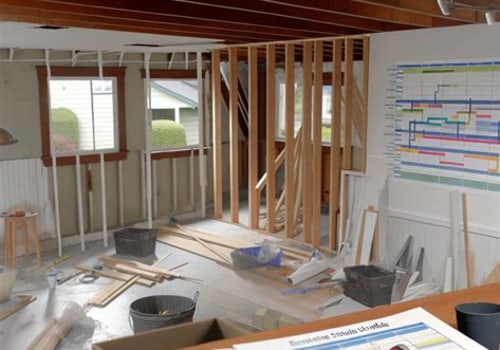
When embarking on a building renovation project, understanding the importance of budgeting cannot be overstated. A well-planned budget serves as the backbone of any successful renovation, guiding decisions and ensuring that resources are allocated efficiently. Without a clear financial framework, projects can quickly spiral out of control, leading to unexpected costs and financial strain. This is particularly crucial in the realm of renovation project planning, where every detail counts and miscalculations can have significant repercussions. Establishing a comprehensive building renovation budget not only helps in tracking expenses but also aids in prioritizing needs versus wants.
By distinguishing between essential upgrades and optional enhancements, homeowners can make informed choices that align with their financial capabilities. Moreover, a solid budget allows for contingency planning, preparing for unforeseen circumstances that may arise during the renovation process. This proactive approach minimizes stress and fosters a smoother workflow. Ultimately, effective budgeting is about more than just numbers; it reflects a commitment to achieving the desired outcome without compromising financial stability. As you delve deeper into your renovation journey, remember that a thoughtful budget is your best ally in navigating the complexities of building renovations.
Setting a Realistic Budget for Your Renovation
Establishing a realistic budget for your building renovation is crucial to ensure that your project remains financially viable.To begin, it’s essential to conduct thorough research on the costs associated with your specific renovation plans. This includes not only the price of materials and labor but also potential unforeseen expenses that may arise during the project.
1.Assess Your Needs and Priorities
- Identify which areas of the building require renovation and prioritize them based on necessity and impact.
- Consider whether you want to make cosmetic changes or structural improvements, as this will significantly affect your budget.
2.Gather Estimates
- Contact multiple contractors to obtain detailed estimates for labor and materials.
- Ensure that these estimates include all aspects of the renovation, such as demolition, construction, and finishing work.
3.Include a Contingency Fund
It’s wise to set aside a contingency fund, typically around 10-20% of your total budget, to cover unexpected costs that may arise during the renovation process. This could include issues like hidden water damage or structural problems that weren’t apparent at the outset.
4.Factor in Additional Costs
- Don’t forget to account for permits, inspections, and any fees associated with hiring professionals.
- If you plan to live in the building during renovations, consider the costs of temporary housing or additional living expenses.
5.Review and Adjust Your Budget Regularly
As the renovation progresses, keep track of all expenses and compare them against your initial budget. This will help you identify any areas where you may need to adjust your spending or reallocate funds to stay on track.By following these steps, you can create a realistic renovation budget that not only meets your needs but also helps prevent financial strain throughout the renovation process.
Conducting Thorough Research and Planning
Before embarking on a building renovation project, conducting thorough research and planning is crucial to ensure that the project remains within budget.This phase not only helps in identifying potential costs but also aids in setting realistic expectations.
Research for Building Renovation
- Start by gathering information on similar renovation projects in your area. This can provide insights into average costs and common challenges.
- Consult with professionals such as architects, contractors, and interior designers to gain expert opinions on your renovation plans.
- Utilize online resources, including forums and social media groups, where homeowners share their experiences and tips regarding building renovation.
Planning a Renovation Project
- Create a detailed plan that outlines the scope of work, timelines, and budget estimates. This will serve as a roadmap throughout the renovation process.
- Prioritize your renovation goals. Determine which aspects are essential and which can be adjusted or postponed if necessary.
- Consider potential hidden costs such as permits, inspections, and unexpected repairs that may arise during the renovation.
Renovation Project Checklist
- Define your budget: Establish a clear budget that includes all anticipated expenses.
- Research materials: Investigate different materials and their costs to make informed choices that align with your budget.
- Hire reputable contractors: Vet potential contractors thoroughly to ensure they have a good track record and can deliver quality work within your budget.
- Monitor progress: Regularly check in on the project’s progress to ensure it stays on track financially and timeline-wise.
This proactive approach not only helps in managing finances but also enhances the overall success of the project.
Choosing the Right Contractors and Professionals
Choosing the right contractors and professionals is crucial for ensuring that your building renovation project stays within budget. The selection process can significantly influence both the quality of work and the overall costs involved. Here are some essential tips to help you make informed decisions:- Research and Recommendations: Start by seeking recommendations from friends, family, or colleagues who have recently completed similar projects. Online reviews and ratings can also provide insights into a contractor's reliability and quality of work.
- Check Credentials: Ensure that the contractors you consider are licensed, insured, and bonded.
This not only protects you from potential liabilities but also indicates a level of professionalism and commitment to quality.
- Interview Multiple Candidates: Don’t settle for the first contractor you meet. Interview at least three candidates to compare their approaches, pricing, and timelines. This will give you a better understanding of what to expect.
- Request Detailed Estimates: Ask for written estimates that break down costs for materials, labor, and any other expenses. This transparency helps you understand where your money is going and allows for easier budget management.
- Review Past Work: Request references or examples of previous projects similar to yours.
This will help you gauge their experience with building renovations and their ability to stay within budget.
- Discuss Payment Terms: Clarify payment schedules upfront. Avoid contractors who demand large upfront payments; instead, opt for those who offer a reasonable payment plan based on project milestones.
Prioritizing Renovation Needs vs. Wants
When embarking on a building renovation project, one of the most critical steps is to distinguish between needs and wants.This differentiation not only helps in managing costs but also ensures that the project meets its primary objectives without unnecessary financial strain.
Identifying Essential Renovations
- Safety and Structural Integrity: Any renovations that address safety concerns or structural issues should be prioritized. This includes fixing leaks, repairing foundations, or updating electrical systems.
- Functionality: Consider renovations that enhance the functionality of your space. For instance, adding more storage or improving the layout can significantly impact daily living.
- Energy Efficiency: Upgrading insulation, windows, or HVAC systems can lead to long-term savings on utility bills, making them essential investments.
Understanding Luxury Upgrades
- Aesthetic Enhancements: While new countertops or high-end fixtures can elevate the look of your home, they often fall into the 'wants' category unless they are necessary for functionality.
- Smart Home Features: Although smart technology can add convenience, it may not be essential for every renovation project. Assess whether these upgrades align with your immediate needs.
- Outdoor Spaces: Landscaping and outdoor kitchens can enhance enjoyment but are typically considered luxury upgrades that can be postponed if budget constraints arise.
Prioritizing Your Renovation Projects
To effectively prioritize your renovation projects, create a list that categorizes each item as a need or a want.
This will help you visualize where to allocate your budget. Start with the essentials and allocate funds accordingly. If your budget allows after addressing all necessary renovations, you can then consider adding some of the luxury upgrades that enhance your living experience.By focusing on what is truly necessary for your building renovation, you can keep costs manageable while still achieving a satisfying outcome that meets both your immediate needs and future aspirations.
Monitoring Expenses Throughout the Project
Monitoring expenses throughout a building renovation project is crucial for staying within budget. Without diligent tracking, costs can spiral out of control, leading to financial strain and project delays.Here are some effective strategies to ensure you keep a close eye on your renovation expenses:
- Create a Detailed Budget: Before starting the renovation, outline a comprehensive budget that includes all anticipated costs such as materials, labor, permits, and unexpected expenses. This will serve as your financial roadmap.
- Use Expense Tracking Tools: Leverage technology by utilizing expense tracking software or apps designed for project management. These tools can help you categorize expenses and provide real-time updates on your spending.
- Regularly Review Expenses: Set a schedule to review your expenses weekly or bi-weekly. Compare actual spending against your budget to identify any discrepancies early on.
This proactive approach allows you to make necessary adjustments before costs escalate.
- Keep All Receipts: Maintain a well-organized system for receipts and invoices related to your renovation. This not only helps in tracking expenses but also provides documentation for any warranty claims or disputes.
- Communicate with Contractors: Maintain open lines of communication with your contractors regarding costs. Ensure they provide regular updates on labor and material expenses, and discuss any potential changes that could impact the budget.
Dealing with Unexpected Costs and Changes
In any building renovation project, unexpected costs and changes can arise, potentially derailing your budget.To effectively manage these challenges, consider the following strategies:
- Establish a Contingency Fund: Before starting your renovation, set aside a contingency fund of at least 10-20% of your total budget. This fund will serve as a financial buffer for unforeseen expenses, such as structural repairs or material price increases.
- Prioritize Flexibility: While it’s essential to have a clear plan, be prepared to adapt. Changes in design or materials may be necessary as the project progresses. Maintain open communication with your contractor to discuss potential adjustments and their financial implications.
- Regularly Review Progress: Schedule regular check-ins with your renovation team to assess progress and budget adherence.
This proactive approach allows you to identify any issues early on and make informed decisions about how to proceed.
- Document Everything: Keep detailed records of all expenses and changes made during the renovation. This documentation will help you track spending and provide clarity if disputes arise regarding costs.
- Evaluate the Impact: Before agreeing to any changes, evaluate how they will affect your overall budget and timeline. Some modifications may seem minor but can lead to significant cost increases.
- Communicate with Stakeholders: If you’re working with a team, ensure that everyone is on the same page regarding changes. Miscommunication can lead to costly mistakes and delays.
Utilizing Technology and Tools for Budget Management
In the realm of building renovation, effective budget management is crucial to ensure that projects do not spiral out of control financially.Leveraging technology and specialized tools can significantly enhance your ability to track expenses and manage budgets throughout the renovation process.
Budget Management Tools
- Project Management Software: Tools like Trello, Asana, and Basecamp allow you to create detailed project timelines, assign tasks, and monitor progress. These platforms often include budgeting features that help you allocate funds effectively.
- Construction Management Software: Solutions such as CoConstruct and Buildertrend are specifically designed for the construction industry. They offer comprehensive budgeting tools that allow you to estimate costs, track expenses, and manage invoices in real-time.
- Expense Tracking Apps: Mobile applications like Expensify or Mint can help you keep a close eye on daily expenditures related to your renovation. These apps allow you to categorize expenses, making it easier to see where your money is going.
The Role of Technology in Building Renovation
The integration of technology in building renovation not only streamlines budget management but also enhances overall project efficiency.
For instance, using BIM (Building Information Modeling) can provide a 3D visualization of the project, allowing for better planning and cost estimation. This technology helps identify potential issues before they arise, reducing unexpected costs.
Software for Tracking Expenses
Selecting the right software is essential for effective budget management. Look for features such as:
- User-Friendly Interface: Ensure that the software is easy to navigate, allowing all team members to input data without extensive training.
- Real-Time Updates: Choose tools that provide real-time updates on expenses and budget status, enabling quick decision-making.
- Reporting Capabilities: Opt for software that offers robust reporting features, allowing you to generate detailed financial reports at any stage of the renovation.
FAQs About Budgeting for Building Renovations
When planning a building renovation, it's common to have questions about budgeting. Here are some frequently asked questions that can help clarify the budgeting process:- What factors influence the cost of a building renovation?
The cost of a building renovation can vary significantly based on several factors, including the size of the project, the materials used, labor costs, and any unforeseen issues that may arise during construction.Additionally, location can play a crucial role in determining overall expenses.
- How can I create a realistic budget for my renovation?
To create a realistic budget, start by assessing your needs and priorities. Consider obtaining multiple quotes from contractors to get a sense of the market rates. It's also wise to include a contingency fund—typically 10-20% of your total budget—to cover unexpected costs. - Are there hidden costs I should be aware of?
Yes, hidden costs are often overlooked in building renovation projects. These can include permits, inspections, and potential structural repairs that may not be visible until work begins.Always ask your contractor about potential hidden costs before starting the project.
- How can I avoid going over budget?
To avoid exceeding your budget, maintain clear communication with your contractor and regularly review expenses against your budget. Setting milestones and checking in on progress can help you stay on track financially.
Conclusion: Key Takeaways for Staying Within Budget on Your Renovation Project
In conclusion, ensuring that your building renovation project remains within budget requires a combination of strategic planning, diligent monitoring, and effective communication. Here are the key takeaways to keep in mind:- Establish a Realistic Budget: Begin with a comprehensive budget that includes all potential costs, from materials to labor.
This will serve as your financial roadmap throughout the renovation process.
- Prioritize Your Needs: Identify which aspects of the renovation are essential versus those that are desirable. Focusing on must-haves can help you allocate funds more effectively.
- Hire Experienced Professionals: Engaging skilled contractors and designers can prevent costly mistakes and ensure that the project adheres to your budget. Always check references and past work.
- Monitor Progress Regularly: Keep a close eye on the project’s progress and expenses. Regular check-ins can help you identify any deviations from the budget early on, allowing for timely adjustments.
- Be Prepared for Contingencies: Set aside a contingency fund of at least 10-20% of your total budget to cover unexpected expenses that may arise during the renovation.
- Communicate Effectively: Maintain open lines of communication with your contractors and team members.
Clear communication can help mitigate misunderstandings that could lead to additional costs.