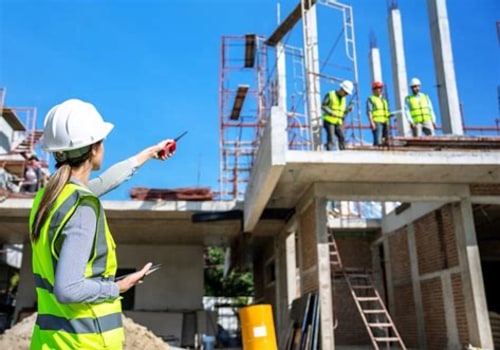
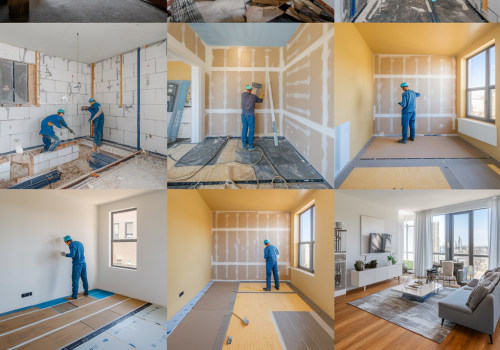
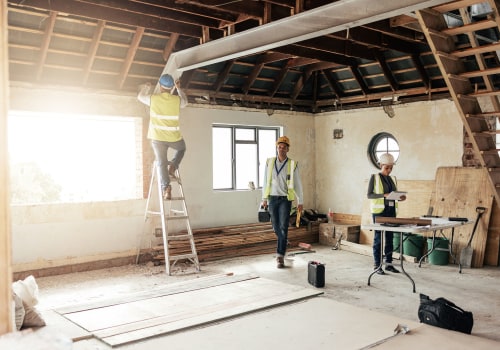
In an era where environmental concerns are at the forefront of public consciousness, eco-friendly building renovations have emerged as a vital approach to construction and design. These renovations not only enhance the aesthetic appeal of a structure but also significantly reduce its carbon footprint. By integrating sustainable practices into the renovation process, homeowners and builders can contribute to a healthier planet while enjoying the benefits of energy efficiency and improved indoor air quality. The importance of sustainable renovation options cannot be overstated. Traditional building methods often rely on materials and processes that are harmful to the environment, leading to increased waste and resource depletion.
In contrast, eco-friendly renovations prioritize the use of renewable resources, recycled materials, and energy-efficient technologies. This shift not only conserves natural resources but also promotes a circular economy where materials are reused and repurposed, minimizing landfill contributions. Moreover, green building practices extend beyond mere material choices; they encompass a holistic approach to design and construction. This includes optimizing energy use through better insulation, installing solar panels, and utilizing water-saving fixtures. By embracing these practices, property owners can create spaces that are not only functional and beautiful but also aligned with the principles of sustainability.
As we delve deeper into the various eco-friendly options available for building renovations, it becomes clear that these choices are essential for fostering a more sustainable future.
Benefits of Eco-Friendly Renovations
Choosing eco-friendly options for building renovations offers a multitude of benefits that extend beyond mere aesthetics. One of the most significant advantages is the potential for cost savings. While the initial investment in sustainable materials and technologies may be higher, the long-term savings on energy bills can be substantial. For instance, energy-efficient windows and insulation can drastically reduce heating and cooling costs, leading to lower utility bills over time.Another key benefit is the improved energy efficiency of renovated spaces.By incorporating sustainable practices such as using renewable energy sources, installing energy-efficient appliances, and optimizing natural light, homeowners can significantly decrease their carbon footprint. This not only contributes to environmental conservation but also enhances the overall comfort of the living space.Furthermore, eco-friendly renovations can lead to an increase in property value. As more buyers prioritize sustainability, homes that feature green upgrades are often more attractive in the real estate market. Properties equipped with energy-efficient systems or sustainable materials can command higher prices and sell faster than their conventional counterparts.In addition to financial benefits, eco-friendly renovations promote a healthier living environment.
Many traditional building materials contain harmful chemicals that can affect indoor air quality. By opting for non-toxic paints, low-VOC materials, and natural finishes, homeowners can create a safer space for their families.In summary, the benefits of eco-friendly renovations are multifaceted, encompassing cost savings, enhanced energy efficiency, increased property value, and improved health outcomes. As awareness of environmental issues grows, investing in sustainable building practices becomes not just a choice but a necessity for future-proofing properties.
Sustainable Materials for Renovation Projects
When considering sustainable materials for building renovation projects, it's essential to choose options that minimize environmental impact while enhancing the aesthetic and functional qualities of your space. Here are some eco-friendly materials to consider:- Reclaimed Wood: This material is salvaged from old buildings, barns, and other structures.
Using reclaimed wood not only reduces the demand for new lumber but also adds character and history to your renovation.
- Bamboo: Known for its rapid growth and renewability, bamboo is a strong and versatile material suitable for flooring, cabinetry, and even structural elements. Its lightweight nature makes it an excellent choice for various applications.
- Recycled Metal: Incorporating recycled steel or aluminum can significantly reduce the carbon footprint of your renovation. These materials are durable, require less energy to produce than new metals, and can be used in roofing, siding, and framing.
- Low-VOC Paints: Traditional paints often contain volatile organic compounds (VOCs) that can harm indoor air quality. Opting for low-VOC or zero-VOC paints ensures a healthier environment while still providing vibrant color options.
These options not only improve energy efficiency but also contribute to a more sustainable renovation.By selecting eco-friendly construction materials, you can create a beautiful space that aligns with your values and supports a healthier planet. Each choice you make in your renovation project can lead to significant environmental benefits while enhancing the overall quality of your home.
Energy-Efficient Upgrades
When considering building renovation, incorporating energy-efficient upgrades is essential for reducing energy consumption and enhancing sustainability. These upgrades not only lower utility bills but also contribute to a healthier environment.Insulation Improvements
One of the most effective ways to improve energy efficiency is by upgrading insulation. Proper insulation helps maintain a consistent indoor temperature, reducing the need for heating and cooling systems to work overtime.Consider using eco-friendly insulation materials such as:
- Recycled denim - An excellent thermal insulator that is also sustainable.
- Cellulose - Made from recycled paper, it provides superior insulation and is treated for fire resistance.
- Spray foam - Offers high R-value and can seal gaps effectively, preventing air leaks.
Energy-Efficient Windows
Replacing old windows with energy-efficient windows can significantly reduce heat loss in winter and keep interiors cool in summer. Look for windows that feature:- Low-E glass - This coating reflects heat while allowing natural light to enter.
- Double or triple glazing - Multiple panes of glass provide better insulation than single-pane windows.
- Argon gas fills - This inert gas between panes enhances thermal performance.
Smart Home Technology
Integrating smart home technology into your renovation can lead to significant energy savings. Smart thermostats, for example, learn your schedule and adjust heating and cooling accordingly. Other smart devices include:- Smart lighting systems - These can be programmed to turn off when not in use, reducing electricity consumption.
- Energy monitoring systems - These tools help track energy usage in real-time, allowing homeowners to identify areas for improvement.
- Smart appliances - Energy-efficient appliances that can be controlled remotely help optimize energy use.
Water Conservation Strategies in Renovations
Water conservation is a critical aspect of building renovations, especially as the demand for sustainable practices continues to grow.Implementing effective water-saving strategies not only reduces utility bills but also minimizes the environmental impact of your renovation project.One of the most straightforward methods to conserve water is by installing low-flow fixtures. These fixtures, including faucets, showerheads, and toilets, are designed to use significantly less water without sacrificing performance. For instance, low-flow toilets can reduce water usage by up to 60% compared to traditional models.Another innovative solution is the incorporation of rainwater harvesting systems. By collecting rainwater from rooftops and directing it into storage tanks, homeowners can utilize this resource for irrigation, flushing toilets, and even washing clothes.
This not only conserves potable water but also helps manage stormwater runoff, reducing the risk of flooding and erosion.Additionally, consider implementing sustainable water management practices during your renovation. This can include:
- Greywater recycling: Reusing water from sinks, showers, and washing machines for irrigation or toilet flushing.
- Smart irrigation systems: Utilizing technology to optimize watering schedules based on weather conditions and soil moisture levels.
- Native landscaping: Choosing drought-resistant plants that require less water and maintenance.
Incorporating Renewable Energy Sources
Incorporating renewable energy sources into building renovations not only enhances energy efficiency but also significantly reduces the carbon footprint of a property. Two of the most popular options for homeowners and builders alike are solar panels and wind energy solutions.Solar Panels for Homes
Solar panels have become increasingly accessible and affordable, making them a top choice for those looking to renovate their buildings sustainably. By installing solar panels on rooftops, homeowners can harness the sun's energy to power their homes, reducing reliance on fossil fuels.Here are some key benefits:
- Cost Savings: Solar panels can significantly lower electricity bills over time.
- Increased Property Value: Homes equipped with solar energy systems often see an increase in market value.
- Tax Incentives: Many states offer tax credits and rebates for solar panel installations, making them more financially viable.
Wind Energy Solutions for Buildings
Wind energy solutions, such as small wind turbines, are another innovative option for building renovations. While they may not be suitable for every location, they can be highly effective in areas with consistent wind patterns. Consider the following advantages:- Renewable Energy Generation: Wind turbines convert wind into electricity, providing a clean energy source.
- Energy Independence: By generating your own power, you reduce dependence on the grid.
- Sustainability: Wind energy is one of the most sustainable forms of energy available today.
Eco-Friendly Design Principles
When embarking on a building renovation, incorporating eco-friendly design principles is essential for creating sustainable spaces that minimize environmental impact.These principles not only enhance the aesthetic appeal of a structure but also contribute to energy efficiency and resource conservation.One of the foundational concepts in sustainable architecture is the use of passive design. This approach focuses on maximizing natural light and ventilation, reducing reliance on artificial heating and cooling systems. By strategically placing windows and using thermal mass materials, buildings can maintain comfortable temperatures year-round.Another key strategy is the selection of renewable materials. Opting for locally sourced, recycled, or rapidly renewable materials can significantly reduce the carbon footprint associated with transportation and manufacturing.
For instance, reclaimed wood or bamboo flooring not only adds character but also supports sustainable forestry practices.
- Energy Efficiency: Implementing energy-efficient appliances and systems, such as LED lighting and Energy Star-rated HVAC units, can drastically lower energy consumption.
- Water Conservation: Incorporating low-flow fixtures and rainwater harvesting systems helps in reducing water usage, making renovations more sustainable.
- Indoor Air Quality: Using non-toxic paints and finishes improves indoor air quality, ensuring a healthier living environment.
Frequently Asked Questions about Eco-Friendly Renovations
When considering eco-friendly renovations, many homeowners have questions about the best practices and materials to use. Here are some of the most frequently asked questions:- What are the benefits of eco-friendly renovations?
Eco-friendly renovations can lead to significant energy savings, reduced utility bills, and a smaller carbon footprint.Additionally, using sustainable materials can improve indoor air quality and create a healthier living environment.
- What materials are considered sustainable?
Sustainable materials include bamboo, reclaimed wood, recycled metal, and low-VOC (volatile organic compounds) paints. These materials not only minimize environmental impact but also often provide unique aesthetic qualities. - How can I make my renovation more energy-efficient?
To enhance energy efficiency, consider installing energy-efficient windows, adding insulation, and using Energy Star-rated appliances. Incorporating smart home technology can also help monitor and reduce energy consumption. - Are there any financial incentives for eco-friendly renovations?
Many local and federal programs offer tax credits, rebates, or grants for homeowners who invest in sustainable building practices. It's advisable to check with local government websites for specific programs available in your area. - Can I renovate my home while keeping its historical integrity?
Yes! Many eco-friendly practices can be integrated into historic homes without compromising their character.Using period-appropriate materials and techniques can help maintain the aesthetic while improving sustainability.
Conclusion: Embracing Sustainable Building Practices
In conclusion, embracing sustainable building practices during your next building renovation can lead to significant environmental benefits while also enhancing the overall value and comfort of your space. By prioritizing eco-friendly materials and energy-efficient solutions, you not only contribute to a healthier planet but also create a more sustainable living environment.Throughout this article, we explored various eco-friendly options that can be integrated into your renovation project:- Recycled Materials: Utilizing reclaimed wood, recycled metal, and other salvaged materials can reduce waste and lower the carbon footprint of your renovation.
- Energy-Efficient Systems: Installing energy-efficient windows, insulation, and HVAC systems can significantly decrease energy consumption and utility costs.
- Water Conservation: Implementing low-flow fixtures and rainwater harvesting systems can help conserve water and reduce your environmental impact.
- Sustainable Landscaping: Choosing native plants and xeriscaping techniques can enhance the beauty of your property while minimizing water usage.
By investing in sustainable practices, you are not only improving your property but also contributing to a more sustainable future for generations to come.Ultimately, the shift towards eco-friendly renovations is not just beneficial; it is necessary. Let us all take steps towards a greener tomorrow by making informed decisions in our building projects.