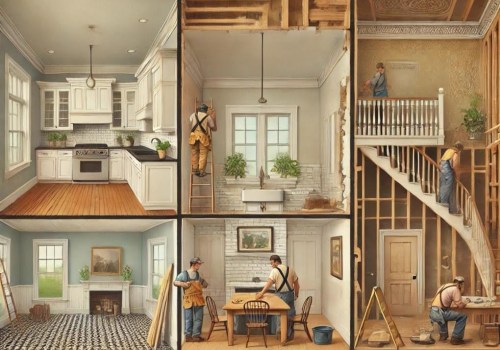
When embarking on a building renovation, it is essential to recognize the significance of preserving the character and charm that define a structure's identity. These elements not only contribute to the aesthetic appeal of a building but also serve as a tangible connection to its history and the community it inhabits. The unique architectural features, materials, and craftsmanship that characterize a building can tell stories of the past, reflecting the cultural heritage and values of the time in which it was built. Maintaining this character during renovations is crucial for several reasons. First, it helps to retain the building's original essence, ensuring that it continues to resonate with those who interact with it.
Second, buildings with preserved charm often enhance property values and attract interest from potential buyers or tenants who appreciate historical significance. Lastly, a thoughtful renovation that respects a building's character can foster a sense of pride within the community, encouraging local engagement and support. As we delve deeper into the methods for maintaining these vital qualities during renovation projects, it becomes clear that a balance must be struck between modern functionality and historical integrity. By understanding the importance of character in building renovation, we can approach these projects with a mindset that honors the past while embracing the future.
Conducting a Thorough Assessment of the Building
Before embarking on a building renovation, it is essential to conduct a thorough assessment of the structure. This evaluation not only helps in understanding the current state of the building but also plays a crucial role in preserving its character and charm.Evaluating Structural Integrity
- Begin by examining the foundation, walls, and roof for any signs of damage or deterioration.
Look for cracks, water damage, or pest infestations that could compromise the building's integrity.
- Engage a professional inspector to assess the structural components. Their expertise can identify issues that may not be immediately visible.
Understanding Historical Significance
- Research the building's history to uncover its architectural style and any significant events associated with it. This knowledge can guide renovation decisions that honor its past.
- If the building is listed on the National Register of Historic Places or has local historical significance, familiarize yourself with regulations that protect its features.
Identifying Architectural Features
- Take note of unique architectural elements such as moldings, windows, doors, and fixtures. These features contribute to the building's charm and should be preserved or restored during renovations.
- Document these elements through photographs and sketches to ensure they are accurately represented in your renovation plans.
This careful planning is vital for achieving a successful building renovation that respects both the past and future of the structure.
Incorporating Historical Design Elements
When embarking on a building renovation, one of the most effective ways to preserve the original charm and character of a structure is by incorporating historical design elements. These elements not only enhance the aesthetic appeal but also pay homage to the building's architectural heritage.Architectural Styles
- Victorian: This style is characterized by intricate details, asymmetrical shapes, and vibrant colors. Incorporating Victorian elements such as ornate moldings and decorative brackets can add a touch of elegance.
- Art Deco: Known for its bold geometric patterns and rich materials, Art Deco features can be integrated through decorative tiles or lighting fixtures that reflect this iconic style.
- Colonial Revival: This style emphasizes symmetry and classic proportions. Restoring original windows and doors or adding new ones that mimic the historical design can maintain the building's integrity.
Materials
Using authentic or period-appropriate materials is crucial in maintaining the building's character.
Consider sourcing reclaimed wood, vintage bricks, or traditional stone to ensure that new additions blend seamlessly with the existing structure. For instance, if the original building featured stucco, opting for a similar finish during renovations can help retain its historical essence.
Decorative Features
- Crown Molding: Adding crown molding that reflects the original design can enhance ceilings and create a cohesive look throughout the space.
- Fireplaces: Restoring or replicating original fireplaces can serve as focal points in rooms, adding warmth and historical significance.
- Stained Glass Windows: If the building originally featured stained glass, consider restoring these windows or incorporating new ones that echo their style to maintain visual interest.
Choosing the Right Materials for Renovation
When embarking on a building renovation, one of the most critical decisions is selecting the right materials. The materials you choose can significantly impact not only the aesthetic appeal but also the structural integrity and sustainability of the project.Matching Original Materials
To maintain the character and charm of a building, it is essential to use materials that match or complement the original structure.This approach helps preserve the historical significance and architectural style of the building. For instance, if the original facade features brick, sourcing reclaimed bricks can provide a seamless integration with the existing walls. Similarly, using wood that matches the grain and finish of original elements can enhance continuity throughout the space.
Sustainable Materials
In addition to aesthetic considerations, opting for sustainable materials can greatly benefit both the environment and your renovation project. Sustainable options such as bamboo flooring, recycled metal roofing, or low-VOC paints not only reduce your carbon footprint but also contribute to healthier indoor air quality.These materials often come with added durability, ensuring that your renovation stands the test of time.
Balancing Aesthetics and Functionality
While it’s important to stay true to the building’s original character, functionality should not be overlooked. Consider modern materials that offer improved performance without compromising on style. For example, energy-efficient windows can enhance comfort while maintaining the traditional look of your building. By carefully selecting materials that balance both aesthetics and functionality, you can achieve a renovation that honors the past while embracing modern advancements.Ultimately, choosing the right materials for your building renovation is a vital step in preserving its unique charm.By focusing on matching original elements and incorporating sustainable options, you can create a space that is both beautiful and environmentally responsible.
Engaging with Local Preservation Societies
Engaging with local preservation societies can be a transformative step in any building renovation project. These organizations are often composed of passionate individuals who are dedicated to maintaining the historical integrity and character of their communities. By collaborating with them, you can gain invaluable insights and resources that will help guide your renovation efforts.One of the primary benefits of working with local preservation societies is their deep understanding of the architectural styles and historical significance of buildings in your area. They can provide you with renovation advice that aligns with both community values and historical standards, ensuring that your project honors the past while meeting modern needs.Benefits of Collaboration
- Access to Expertise: Preservation societies often have experts who can advise on appropriate materials, techniques, and design elements that respect the building's original character.
- Community Involvement: Engaging with these groups fosters a sense of community involvement, allowing local residents to feel invested in the renovation process.
- Networking Opportunities: These societies can connect you with other professionals, such as architects and contractors, who specialize in historic renovations.
- Funding Resources: Many preservation societies are aware of grants and funding opportunities specifically aimed at supporting renovations that preserve historical integrity.
When residents see that you are committed to preserving the building's charm, they are more likely to support your efforts. This community backing can be crucial, especially if your renovation requires public input or approval.In conclusion, engaging with local preservation societies not only enriches your building renovation project but also strengthens community ties. By leveraging their expertise and resources, you can ensure that your renovation is both respectful of the past and relevant for the future.
Balancing Modern Needs with Historical Integrity
When embarking on a building renovation, one of the most challenging aspects is finding the right balance between modern needs and the preservation of historical integrity. As society evolves, so do the expectations for functionality and comfort in our living and working spaces.However, this does not mean that we must sacrifice the unique character of a building.To achieve this balance, consider the following strategies:
- Conduct a Thorough Assessment: Before making any changes, conduct a detailed assessment of the building's historical features. Identify elements that are essential to its character, such as moldings, windows, and original materials.
- Incorporate Modern Amenities Discreetly: When adding modern amenities like heating, cooling, or electrical systems, aim to integrate them in a way that does not disrupt the building's aesthetic. For example, consider using underfloor heating or discreet ductwork that preserves visible architectural details.
- Use Compatible Materials: When replacing or repairing elements of the building, choose materials that are compatible with the original construction. This might mean sourcing reclaimed wood or using historically accurate paint colors to maintain visual continuity.
- Prioritize Functionality: While preserving historical integrity is crucial, it’s also important to ensure that the space meets modern functional needs.
This could involve reconfiguring layouts to improve flow while keeping key architectural features intact.
- Engage with Preservation Experts: Collaborating with architects and contractors who specialize in historic preservation can provide valuable insights into maintaining a building's character while implementing necessary upgrades.
Case Studies: Successful Renovations That Preserved Character
Renovating a building while preserving its character and charm can be a challenging yet rewarding endeavor. Here are some notable case studies that exemplify successful renovations:- The High Line, New York City: Originally an elevated railway, the High Line was transformed into a public park while maintaining its industrial aesthetic. The design team preserved original rail tracks and incorporated native plants, creating a unique blend of nature and urban architecture.
- The Tate Modern, London: This former power station was converted into a contemporary art museum.
The renovation retained the building's iconic chimney and vast turbine hall, showcasing the industrial heritage while providing modern exhibition spaces that attract millions of visitors each year.
- The Ferry Building Marketplace, San Francisco: Once a neglected structure, the Ferry Building was revitalized to serve as a vibrant marketplace. The renovation preserved its historic clock tower and original brickwork, enhancing its charm while introducing modern amenities for vendors and visitors.
- Engage with History: Understanding the historical significance of a building can guide renovation decisions that respect its legacy.
- Incorporate Original Materials: Using reclaimed materials or restoring original features can enhance authenticity and charm.
- Blend Old with New: Thoughtfully integrating modern elements can create a harmonious balance between past and present.
Common Mistakes to Avoid During Renovation Projects
When embarking on a building renovation, it’s crucial to be aware of common mistakes that can undermine the character and charm of the structure. Avoiding these pitfalls can help ensure that the renovation enhances rather than detracts from the building's original appeal.- Neglecting Historical Features: One of the most significant errors is overlooking or removing historical elements such as moldings, original windows, or unique architectural details.
These features often define the building's character and should be preserved whenever possible.
- Inconsistent Design Choices: A common mistake is failing to maintain a cohesive design throughout the renovation. Mixing modern elements with traditional styles without careful consideration can lead to a disjointed appearance. Aim for a harmonious blend that respects the building's original aesthetic.
- Ignoring Local Regulations: Many older buildings are subject to local preservation laws. Ignoring these regulations can not only lead to legal issues but also result in renovations that clash with the building's historical significance.
- Over-Renovating: While it may be tempting to modernize extensively, over-renovating can strip a building of its unique character.
Focus on updates that enhance functionality while respecting the original design.
- Choosing Inappropriate Materials: Using modern materials that do not match the original construction can detract from the building's charm. Always opt for materials that are in line with the building’s era and style.
FAQs About Maintaining Character During Renovations
When embarking on a building renovation, many homeowners and developers have questions about how to preserve the unique character and charm of their structures. Here are some frequently asked questions that can guide you through the process:What are the key elements to focus on when maintaining character?
To maintain the character of a building, focus on:- Architectural details: Preserve original moldings, trim, and fixtures that reflect the building's history.
- Materials: Use materials that match or complement the original construction, such as wood, brick, or stone.
- Color schemes: Choose paint colors that are historically accurate or in line with the building's original palette.
How can I ensure my renovation respects the building's history?
Engaging with local historical societies or preservation organizations can provide valuable insights. Additionally, consider hiring a historic preservation consultant who can guide you in making decisions that honor the building's past.Are there specific renovation tips for older buildings?
Yes! Here are some tips to keep in mind:- Conduct thorough research: Understand the building's history and architectural style before starting renovations.
- Document existing features: Take photographs and notes of original elements before any work begins.
- Prioritize structural integrity: Ensure that any updates do not compromise the building's foundational elements.
What should I avoid during a renovation?
Avoid making drastic changes that alter the building's silhouette or facade.This includes:
- Removing original windows: Instead, consider restoring them to improve energy efficiency while maintaining their appearance.
- Over-modernizing: Steer clear of contemporary designs that clash with the building's historical context.
Conclusion: The Value of Preserving Building Character in Renovations
In conclusion, the process of building renovation offers a unique opportunity to breathe new life into structures while honoring their historical significance and aesthetic appeal. Throughout this article, we have explored various strategies that can help maintain the character and charm of a building during renovations. One of the most critical aspects is to conduct thorough research on the building's history and architectural style. Understanding the original design elements allows renovators to make informed decisions that respect the building's heritage. Additionally, engaging with preservation specialists can provide valuable insights into best practices for maintaining authenticity. Another essential strategy is to prioritize the use of original materials whenever possible.Salvaging existing features such as moldings, windows, and flooring not only preserves the building's character but also contributes to sustainability by reducing waste. When replacement is necessary, sourcing materials that closely match the original can help maintain visual continuity. Furthermore, incorporating modern amenities should be done thoughtfully. It’s crucial to ensure that new installations do not overshadow or clash with the building's historic elements. For instance, integrating energy-efficient systems discreetly can enhance functionality without compromising aesthetic integrity. Ultimately, preserving the character of a building during renovation is not just about aesthetics; it’s about honoring the stories and memories embedded within its walls.
By valuing these elements, we contribute to a richer cultural landscape and ensure that future generations can appreciate the charm and history of our built environment. In summary, successful building renovations require a delicate balance between modernization and preservation. By implementing thoughtful strategies and respecting historical context, we can create spaces that are both functional and full of character.