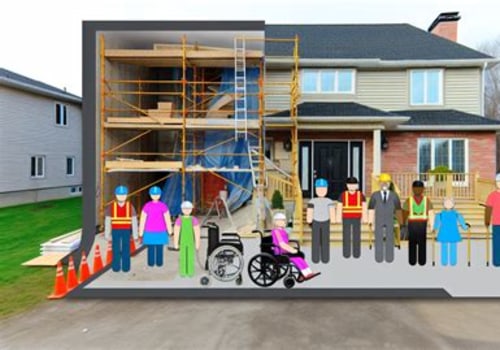
Building renovation is a vital process that breathes new life into structures, enhancing their functionality, aesthetics, and value. Whether it’s a cozy residential renovation aimed at creating a dream home or a large-scale commercial renovation designed to optimize business operations, the significance of these projects cannot be overstated. Renovations not only address the wear and tear that buildings experience over time but also adapt spaces to meet evolving needs and standards. In the realm of building renovation, understanding the distinctions between residential and commercial projects is crucial. Each type of renovation comes with its own set of challenges, regulations, and design considerations.
For instance, while a residential renovation may focus on personal style and comfort, a commercial renovation often prioritizes functionality and compliance with industry regulations. This difference in focus can significantly influence the planning, execution, and outcome of the renovation process. As we delve deeper into the world of building renovations, it becomes clear that recognizing these differences is essential for homeowners and business owners alike. By understanding what sets residential renovations apart from their commercial counterparts, stakeholders can make informed decisions that align with their specific goals and requirements. This exploration will not only highlight the unique aspects of each type of renovation but also underscore the importance of tailored approaches in achieving successful outcomes.
Defining Residential Building Renovations
Residential building renovations encompass a wide range of improvements and modifications made to homes.These renovations can vary significantly in scope, purpose, and design, catering to the unique needs of homeowners. Understanding what constitutes a residential building renovation is essential for anyone looking to enhance their living space.
Common Types of Residential Renovations
- Kitchen Renovations: Often considered the heart of the home, kitchen renovations can include updating appliances, cabinetry, countertops, and flooring. This type of renovation not only improves functionality but also enhances aesthetic appeal.
- Bathroom Renovations: Upgrading bathrooms can involve replacing fixtures, adding new tiles, or even expanding the space. A well-executed bathroom renovation can significantly increase a home's value.
- Basement Finishing: Transforming an unfinished basement into a livable space can provide additional rooms for entertainment, storage, or guest accommodations.
- Exterior Improvements: This includes siding replacement, roof repairs, and landscaping enhancements that improve curb appeal and protect the home from the elements.
- Room Additions: Expanding a home by adding new rooms or extending existing ones is a significant renovation that can accommodate growing families or changing lifestyles.
- Increasing Property Value: Many homeowners renovate to boost their property's market value, making it more appealing to potential buyers.
- Improving Functionality: Renovations often aim to enhance the usability of spaces, making them more efficient for daily activities.
- Aesthetic Upgrades: Homeowners frequently seek renovations to modernize their homes and reflect personal style preferences.
- Energy Efficiency: Many renovations focus on upgrading insulation, windows, and appliances to reduce energy consumption and lower utility bills.
By understanding the various types and purposes of these renovations, homeowners can make informed decisions that align with their goals and budgets.
Defining Commercial Building Renovations
Commercial building renovations are essential for businesses looking to enhance their operational efficiency, improve aesthetics, and adapt to changing market demands. These renovations can vary significantly in scope and purpose, depending on the type of business and its specific needs.Types of Commercial Renovations
- Interior Renovations: This includes updates to office spaces, retail areas, and other internal environments. Common projects involve reconfiguring layouts, upgrading fixtures, and enhancing technology integration.
- Exterior Renovations: These focus on the building's facade, including painting, landscaping, and structural improvements. A well-maintained exterior can significantly impact a business's first impression.
- Adaptive Reuse: This involves repurposing existing buildings for new uses.
For example, converting an old factory into modern office spaces or retail shops can breathe new life into a property while preserving its historical value.
- Sustainability Upgrades: Many businesses are now prioritizing eco-friendly renovations. This can include installing energy-efficient systems, using sustainable materials, and improving insulation to reduce energy costs.
- Enhance functionality to better serve employees and customers.
- Increase property value and attract potential buyers or tenants.
- Comply with updated safety codes and regulations.
- Create a more engaging environment that reflects the brand's identity.
Key Differences Between Residential and Commercial Renovations
When considering building renovation, it’s crucial to understand the key differences between residential and commercial renovations.These differences can significantly impact the planning, execution, and overall outcome of a project.
Scope of Work
The scope of work in residential renovations typically involves alterations to living spaces, such as kitchens, bathrooms, and basements. In contrast, commercial renovations often encompass larger-scale projects that may include office spaces, retail environments, or industrial facilities. This difference in scope can lead to varying levels of complexity and the need for specialized contractors.Regulations and Permits
Another significant difference lies in the regulations and permits required for each type of renovation. Residential projects usually require fewer permits and are subject to local building codes that are less stringent than those governing commercial properties.Commercial renovations must adhere to more comprehensive regulations, including zoning laws, accessibility standards (like ADA compliance), and safety codes.
Costs
Cost is a major factor when comparing residential and commercial renovations. Generally, commercial renovations tend to be more expensive due to the larger scale of work, higher material costs, and the need for specialized labor. Additionally, commercial projects often require more extensive planning and design phases, which can further increase costs.Timelines
The timelines for completing renovations also differ significantly. Residential renovations can often be completed in a matter of weeks or months, depending on the extent of the work.On the other hand, commercial renovations may take several months to over a year to complete due to their complexity and the need for compliance with various regulations. In summary, understanding these key differences between residential and commercial renovations is essential for anyone considering a building renovation. By recognizing the unique challenges and requirements associated with each type of project, homeowners and business owners can better prepare for successful outcomes.
Regulatory Considerations in Renovations
When it comes to building renovation, understanding the regulatory landscape is crucial for both residential and commercial projects. Each type of renovation comes with its own set of building codes and permitting requirements, which can significantly impact the renovation process.Building Codes
- Residential renovations typically adhere to local building codes that focus on safety, structural integrity, and energy efficiency. These codes are often less stringent than those for commercial properties.
- Commercial renovations, on the other hand, must comply with more complex regulations that address not only safety but also accessibility, fire protection, and occupancy limits.
This is due to the higher volume of people that may occupy commercial spaces.
Permits for Renovations
- For residential projects, homeowners usually need to obtain a building permit for significant changes, such as adding a room or altering plumbing systems. The process is generally straightforward and can often be completed online.
- In contrast, commercial renovations require a more detailed permitting process. Business owners must submit comprehensive plans that outline the scope of work, which may include architectural drawings and engineering reports. This process can take longer due to the need for multiple approvals from various regulatory bodies.
Regulations in Residential vs Commercial Renovations
- Residential renovations are often governed by local zoning laws that dictate what can be built in specific areas, focusing on maintaining neighborhood aesthetics and property values.
- Commercial renovations must navigate additional layers of regulation, including compliance with the Americans with Disabilities Act (ADA) and local health department regulations, which ensure that public spaces are accessible and safe for all users.
Homeowners should familiarize themselves with local codes and permit requirements, while business owners must prepare for a more rigorous regulatory environment.
Cost Implications of Renovating Residential vs Commercial Properties
When considering building renovation, understanding the cost implications for residential versus commercial properties is crucial. The financial aspects can vary significantly, impacting budgeting strategies and overall project feasibility.Cost of Residential Renovations
Residential renovations typically range from minor updates to major overhauls. On average, homeowners can expect to spend between $20,000 and $100,000 for comprehensive renovations, depending on the scope of work. Factors influencing these costs include:- Size of the property: Larger homes generally incur higher costs due to increased material and labor needs.
- Quality of materials: Opting for high-end finishes can significantly elevate the budget.
- Location: Renovation costs can vary by region, with urban areas often being more expensive.
Cost of Commercial Renovations
In contrast, commercial renovations tend to be more complex and costly.The average expenditure for commercial projects can range from $50,000 to several million dollars, depending on the type of business and the extent of the renovation. Key cost factors include:
- Building codes and regulations: Commercial properties must adhere to stricter codes, which can increase costs.
- Type of business: Different industries have unique requirements that can affect renovation expenses.
- Downtime: Renovations may require businesses to close temporarily, impacting revenue and necessitating careful financial planning.
Budgeting for Renovations
No matter the type of property, effective budgeting is essential. Here are some strategies to consider:- Create a detailed plan: Outline all aspects of the renovation to avoid unexpected costs.
- Set aside a contingency fund: Aim for 10-20% of your total budget to cover unforeseen expenses.
- Consult professionals: Engaging architects or contractors early can provide accurate estimates and help manage costs effectively.
Project Management Differences in Renovations
When it comes to building renovation, the approach to project management can vary significantly between residential and commercial projects. Understanding these differences is crucial for ensuring a smooth renovation process.Team Structure
In residential renovations, the project team is often smaller and may include a general contractor, a few subcontractors, and the homeowner.This streamlined structure allows for quicker decision-making and more direct communication. In contrast, commercial renovations typically involve a larger team, including architects, engineers, project managers, and various subcontractors. This complexity necessitates a more formal hierarchy and communication channels to manage the diverse stakeholders effectively.
Timelines
Timelines for residential renovations are generally more flexible. Homeowners may prioritize personal preferences and can adjust schedules based on their availability.However, commercial projects are bound by stricter timelines due to business operations and financial implications. Delays in commercial renovations can lead to significant revenue loss, making adherence to the schedule critical.
Regulatory Considerations
Another key difference lies in regulatory requirements. Commercial renovations often face more stringent building codes and regulations compared to residential projects. This means that project managers must be well-versed in local laws and ensure compliance throughout the renovation process.Budget Management
Budgeting also differs between the two types of renovations.Residential projects may have more leeway for adjustments based on homeowner preferences, while commercial renovations usually operate under fixed budgets that require careful monitoring and management to avoid overruns.In summary, understanding the distinct project management approaches in residential versus commercial building renovations is essential for successful outcomes. By recognizing differences in team structure, timelines, regulatory considerations, and budget management, stakeholders can better navigate their renovation projects.
Common Challenges Faced in Each Type of Renovation
Renovating a building, whether residential or commercial, presents unique challenges that can significantly impact the project's success. Understanding these challenges is crucial for effective planning and execution.Challenges in Residential Renovations
- Budget Constraints: Homeowners often face strict budgets, which can limit the scope of renovations. Unexpected costs may arise, leading to financial strain.
- Permitting Issues: Navigating local building codes and obtaining necessary permits can be time-consuming and complex, potentially delaying the project.
- Disruption to Daily Life: Residential renovations can disrupt the homeowner's daily routine, causing stress and inconvenience.
Challenges in Commercial Renovations
- Compliance with Regulations: Commercial buildings must adhere to stricter regulations regarding safety, accessibility, and zoning laws, which can complicate renovation plans.
- Minimizing Downtime: For businesses, renovations must be completed quickly to avoid loss of revenue.
This urgency can lead to rushed decisions and potential oversights.
- Coordination Among Stakeholders: Commercial projects often involve multiple stakeholders, including investors, tenants, and contractors, making communication and coordination essential yet challenging.
Overcoming Renovation Obstacles
To successfully navigate these challenges, consider the following strategies:- Thorough Planning: Invest time in detailed planning to anticipate potential issues and budget for contingencies.
- Hire Experienced Professionals: Engaging skilled contractors and project managers can help ensure compliance with regulations and efficient project execution.
- Maintain Open Communication: Foster clear communication among all parties involved to address concerns promptly and keep the project on track.
FAQs About Building Renovations
When considering building renovations, many homeowners and business owners have similar questions. Here are some of the most frequently asked questions that can help clarify the renovation process.What is the first step in a building renovation?
The first step in any building renovation is to assess your needs and goals. Determine what areas require improvement, whether it’s updating aesthetics, enhancing functionality, or increasing energy efficiency. This assessment will guide your planning and budgeting.How do I budget for a renovation?
Budgeting for a renovation involves several key steps:- Research costs: Look into average costs for materials and labor in your area.
- Prioritize needs: Identify which renovations are essential versus those that are optional.
- Include contingencies: Set aside 10-20% of your budget for unexpected expenses.
How long does a typical renovation take?
The duration of a building renovation can vary widely based on the scope of the project.Minor renovations may take a few weeks, while major overhauls can last several months. It’s important to discuss timelines with your contractor to set realistic expectations.
What permits do I need for a renovation?
Most renovations require some form of permit, especially if they involve structural changes, electrical work, or plumbing. Check with your local building department to understand the specific permits needed for your project.Can I live in my home during renovations?
This largely depends on the extent of the renovations. Minor updates may allow you to stay, but significant work—like kitchen or bathroom remodels—might necessitate temporary relocation.Always consult with your contractor about what’s feasible.By addressing these common questions, you can better prepare for your building renovation, ensuring a smoother process and more successful outcome.
Conclusion: Summarizing Key Differences in Building Renovations
In conclusion, understanding the key differences between residential and commercial building renovations is essential for homeowners, business owners, and contractors alike. Each type of renovation presents unique challenges and considerations that can significantly impact the planning and execution of a project.Scope and Scale: One of the most notable differences lies in the scope and scale of the renovations. Residential projects typically involve smaller spaces and simpler designs, focusing on aesthetics and comfort. In contrast, commercial renovations often encompass larger areas with complex layouts, requiring adherence to strict regulations and codes.Budget Considerations: Budgeting for renovations also varies greatly.Residential renovations may allow for more flexibility in spending, as homeowners can prioritize personal preferences. On the other hand, commercial renovations usually operate under tighter budgets due to the need for cost-effectiveness and return on investment.Timeframes: The timeframes for completing renovations differ as well. Residential projects can often be completed in a matter of weeks, while commercial renovations may take several months or even years, depending on the size and complexity of the project.Regulatory Compliance: Additionally, commercial renovations must navigate a myriad of regulatory compliance issues that are less prevalent in residential projects. This includes zoning laws, safety regulations, and accessibility standards that must be met to ensure the building is suitable for public use. Ultimately, whether you are considering a residential or commercial renovation, recognizing these differences will help you make informed decisions that align with your goals.
Engaging with experienced professionals who understand these nuances can further enhance the success of your renovation project.