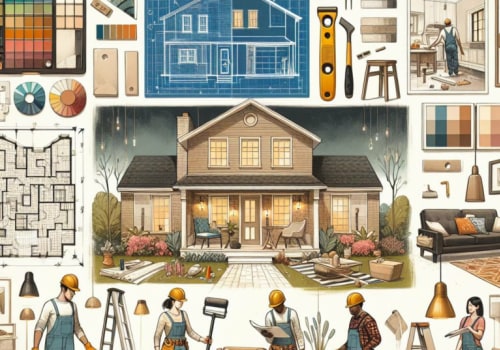
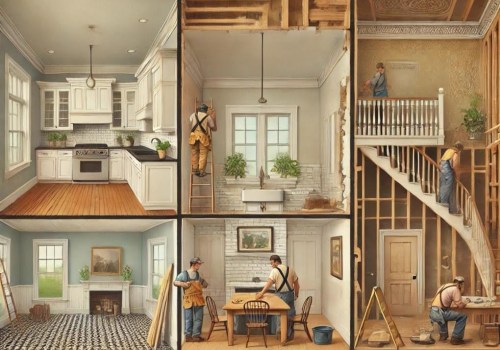
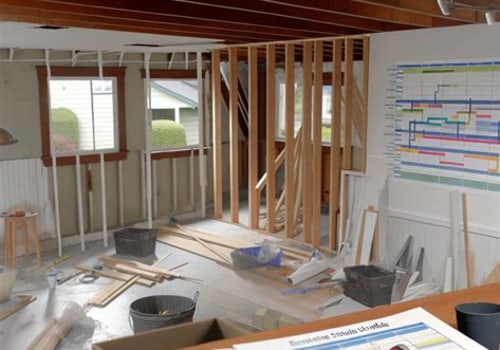
Building renovation is a crucial aspect of real estate and property management that involves updating, restoring, or improving existing structures. This process can range from minor cosmetic changes to extensive structural overhauls, all aimed at enhancing the functionality, aesthetics, and value of a property. Understanding building renovation is essential for property owners, investors, and managers alike, as it plays a significant role in maintaining the longevity and appeal of a building. The importance of building renovation cannot be overstated. As buildings age, they may suffer from wear and tear, outdated designs, or even safety issues that necessitate intervention.
Renovation not only addresses these concerns but also allows property owners to adapt to changing market demands and tenant preferences. For instance, incorporating modern amenities or energy-efficient systems can significantly increase a property's marketability and reduce operational costs. Moreover, building renovation serves as an opportunity to preserve historical architecture while integrating contemporary features. This balance between maintaining a building's character and enhancing its functionality is vital in urban development. By understanding the definition and significance of building renovation, stakeholders can make informed decisions that contribute to sustainable growth and improved living conditions.
Increasing Property Value
One of the most compelling reasons for building renovation is the potential to significantly increase property value.Whether you are a homeowner looking to sell or an investor aiming to maximize returns, understanding how renovations can enhance market value is crucial.Renovations can take many forms, from minor updates to major overhauls. Here are some key benefits that contribute to increased property value:
- Modernization: Updating outdated features such as kitchens and bathrooms can make a property more appealing to potential buyers. Modern amenities often command higher prices in the real estate market.
- Curb Appeal: Enhancing the exterior of a building through landscaping, painting, or new siding can create a strong first impression, which is vital in attracting buyers.
- Energy Efficiency: Implementing energy-efficient upgrades, such as new windows or insulation, not only reduces utility costs but also appeals to environmentally conscious buyers, thereby increasing value.
- Increased Space: Adding square footage through extensions or converting unused spaces like attics and basements into livable areas can significantly boost a property's marketability and price.
Similarly, bathroom renovations typically offer strong ROI as well.In conclusion, investing in building renovation not only enhances the aesthetic and functional aspects of a property but also serves as a strategic move to increase its overall market value. By carefully selecting which renovations to undertake, property owners can ensure that their investments pay off in the long run.
Improving Energy Efficiency
In today's world, energy efficiency renovations have become a crucial aspect of building renovation projects. These upgrades not only contribute to significant cost savings but also promote sustainable living practices that benefit the environment.One of the primary motivations for improving energy efficiency is the reduction in utility bills. By implementing energy-efficient solutions, building owners can lower their monthly expenses.For instance, upgrading to LED lighting, installing high-efficiency HVAC systems, and enhancing insulation can drastically reduce energy consumption.Moreover, energy-efficient buildings often qualify for various incentives and rebates offered by government programs. These financial benefits can offset the initial costs of renovations, making it an attractive option for property owners.
Environmental Benefits
Beyond financial savings, sustainable building practices play a vital role in reducing a building's carbon footprint. By utilizing eco-friendly materials and technologies, such as solar panels and energy-efficient windows, buildings can significantly decrease their greenhouse gas emissions. This shift not only helps combat climate change but also promotes a healthier environment for future generations.Additionally, energy-efficient buildings often enhance indoor air quality.Improved ventilation systems and the use of non-toxic materials contribute to a healthier living or working space, which can lead to increased productivity and well-being among occupants.
Long-term Value
Investing in eco-friendly renovations also increases the long-term value of a property. As more buyers prioritize sustainability, buildings that feature energy-efficient upgrades are likely to attract higher offers on the market. This trend underscores the importance of considering energy efficiency as a key factor in any renovation project.In conclusion, improving energy efficiency through building renovations is not just a trend; it is a necessary step towards creating sustainable and cost-effective living spaces. By embracing these upgrades, property owners can enjoy immediate financial benefits while contributing positively to the environment.Enhancing Aesthetic Appeal
When considering building renovation, one of the most compelling reasons is to enhance the aesthetic appeal of a property.A visually appealing building not only attracts potential tenants or buyers but also contributes to the overall value of the property.
Aesthetic renovations
can take many forms, from simple cosmetic updates to more extensive architectural changes. Here are some common strategies:
- Exterior Improvements: Upgrading the facade with fresh paint, new siding, or modern materials can significantly boost curb appeal. Incorporating elements like decorative trim or unique architectural features can also make a building stand out.
- Landscaping: Well-maintained gardens, walkways, and outdoor spaces enhance the first impression of a property. Adding features such as lighting, seating areas, or water elements can create an inviting atmosphere.
- Modernization: Updating windows and doors not only improves energy efficiency but also gives a building a contemporary look.
Replacing outdated fixtures and fittings inside can further modernize the space.
Adapting to Changing Needs
As society evolves, so do the functional needs of buildings.Renovating a structure can significantly enhance its ability to meet the demands of changing demographics and usage patterns. For instance, a once-popular retail space may need to be transformed into a mixed-use development that includes residential units, offices, or community spaces. This adaptability not only preserves the building's relevance but also contributes to the vitality of the surrounding area.One of the primary reasons for renovating for functionality is to create spaces that are more efficient and user-friendly. This can involve reconfiguring layouts to improve flow, increasing accessibility for individuals with disabilities, or incorporating modern technology to enhance operational efficiency.
For example, an outdated office building might undergo renovations to include open workspaces, collaborative areas, and advanced communication systems that cater to today’s workforce.
- Adapting Spaces: Renovations can transform underutilized areas into vibrant spaces that serve new purposes. A basement storage area could be converted into a co-working space, while an unused attic might become a cozy apartment.
- Changing Building Use: Buildings originally designed for one purpose can be successfully repurposed for another. Factories can be turned into lofts, schools into community centers, and churches into event venues.
For instance, adding green spaces or energy-efficient systems can attract environmentally conscious tenants and enhance the building's marketability.In conclusion, building renovation is essential for adapting to changing needs. By reimagining spaces and updating functionalities, property owners can ensure their buildings remain relevant and valuable in an ever-evolving landscape.
Compliance with Building Codes and Regulations
One of the most significant motivations for building renovation is the need to ensure compliance with current building codes and regulations. As cities evolve and safety standards are updated, older buildings may no longer meet the legal requirements necessary for occupancy and use.Building codes
are established to protect public health, safety, and welfare. They encompass a wide range of regulations, including structural integrity, fire safety, accessibility, and energy efficiency.When a building is renovated, it is crucial to assess whether it adheres to these codes. Failure to comply can result in hefty fines, legal liabilities, or even the forced closure of the property.Moreover, many local governments require that renovations be inspected and approved to ensure they meet these standards. This process not only safeguards the occupants but also enhances the overall value of the property. Here are some common areas where compliance is essential:
- Structural Safety: Ensuring that the building can withstand environmental stresses such as earthquakes or heavy winds.
- Fire Safety: Installing fire alarms, sprinklers, and ensuring proper egress routes are vital for occupant safety.
- Accessibility: Adhering to the Americans with Disabilities Act (ADA) ensures that buildings are accessible to all individuals.
- Energy Efficiency: Compliance with energy codes can lead to reduced utility costs and a smaller carbon footprint.
Prospective tenants or buyers are more likely to invest in properties that demonstrate a commitment to safety and compliance. Therefore, building renovation not only fulfills legal obligations but also positions the property favorably in a competitive market.In conclusion, ensuring compliance with building codes and regulations is a fundamental reason for undertaking renovations. By prioritizing these updates, property owners can protect their investments while contributing to safer communities.
Addressing Structural Issues
When it comes to building renovation, addressing structural issues is paramount. Over time, buildings can develop various problems that compromise their integrity and safety.Ignoring these issues can lead to more severe consequences, including costly repairs and potential hazards for occupants.One of the most common structural problems is related to the foundation. A compromised foundation can manifest in several ways, such as cracks in walls, uneven floors, or doors that stick. These signs often indicate that the foundation is settling or shifting, which can jeopardize the entire structure. Renovating a building with foundation issues not only restores its stability but also enhances its overall value.Another critical aspect of structural repairs involves the roof and load-bearing walls.
Over time, roofs may sag or develop leaks, while load-bearing walls can weaken due to moisture damage or pest infestations. Addressing these issues during a renovation ensures that the building remains safe and functional for years to come.
- Safety: Renovating to fix structural issues significantly reduces the risk of accidents and injuries.
- Longevity: Proper repairs extend the lifespan of the building, making it a worthwhile investment.
- Value: A structurally sound building is more appealing to potential buyers or tenants.
FAQs About Building Renovation Reasons
When considering building renovation, many individuals have questions about the motivations behind such projects. Here are some of the most frequently asked questions regarding the reasons for renovating buildings:- What are the primary reasons for renovating a building?
The main reasons include improving energy efficiency, updating outdated designs, increasing property value, and enhancing safety standards.Renovations can also address structural issues that may pose risks.
- How does energy efficiency play a role in building renovations?
Many owners choose to renovate to incorporate energy-efficient systems and materials. This not only reduces utility costs but also contributes to environmental sustainability. - Can renovating a building increase its market value?
Absolutely! A well-executed renovation can significantly boost a property's market value, making it more attractive to potential buyers or tenants. - What are some common structural issues that prompt renovations?
Common issues include water damage, foundation problems, and outdated electrical or plumbing systems. Addressing these concerns during a renovation can prevent further complications. - Is it worth renovating an older building?
Renovating an older building can be worthwhile if it has historical significance or unique architectural features. It allows owners to preserve the character while modernizing amenities.
Whether it's for aesthetic improvements, energy efficiency, or structural safety, renovations can provide significant benefits.
Conclusion: The Value of Building Renovation
In summary, building renovation serves multiple purposes that extend beyond mere aesthetics. Understanding the various motivations behind these projects can help property owners make informed decisions that align with their goals.One of the primary reasons for renovating a building is to enhance its functionality. As needs evolve, spaces may require reconfiguration to better serve their occupants. This could involve creating open floor plans, adding new facilities, or improving accessibility features.Another significant factor is the need for upgrading outdated systems.Many older buildings suffer from inefficient heating, cooling, and electrical systems that not only increase operational costs but also pose safety risks. Renovation allows for the integration of modern technologies that improve energy efficiency and reduce long-term expenses.Additionally, building renovation can significantly boost property value. A well-executed renovation can attract higher rental rates or sale prices, making it a worthwhile investment for property owners. This is particularly true in competitive real estate markets where updated properties stand out.Moreover, renovations can contribute to sustainability efforts.
By incorporating eco-friendly materials and practices, building owners can reduce their environmental footprint while also appealing to a growing demographic of environmentally conscious consumers.Ultimately, whether driven by necessity or opportunity, understanding the multifaceted reasons for building renovation is crucial. It not only enhances the physical space but also contributes to the overall well-being of its users and the surrounding community.