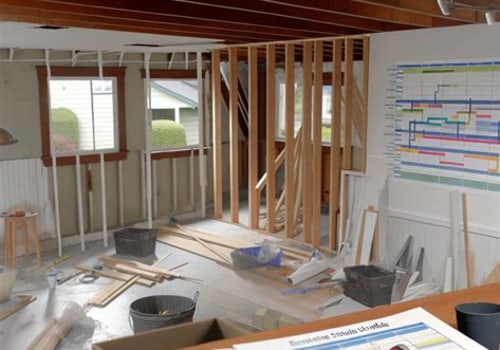
In the realm of building renovation, the significance of community involvement cannot be overstated. Engaging local residents and stakeholders in the renovation process not only fosters a sense of ownership but also ensures that the project aligns with the community's needs and aspirations. When community members are actively involved, they bring invaluable insights and perspectives that can enhance the design and functionality of the renovated space. This collaborative approach not only enriches the project but also cultivates a stronger bond between the building and its users. Moreover, community involvement plays a pivotal role in the sustainability of renovation projects.
When people feel a connection to a space, they are more likely to take care of it and advocate for its continued use. This sense of stewardship can lead to long-term benefits, such as reduced maintenance costs and increased community pride. By prioritizing community input, renovation projects can transform into vibrant hubs that reflect local culture and history, ultimately contributing to a more cohesive community identity. As we delve deeper into the various strategies for involving the community in building renovation, it becomes clear that this engagement is not merely an optional step; it is a fundamental component of successful and sustainable renovation efforts. Understanding the importance of community involvement sets the stage for exploring practical methods to integrate local voices into every phase of the renovation process.
Identifying Stakeholders and Community Members
Involving the community in a building renovation project begins with identifying key stakeholders and community members who have a vested interest in the outcome.Understanding their needs and perspectives is crucial for fostering a collaborative environment.
Identifying Key Stakeholders
- Local Residents: They are often the most affected by renovation projects. Engaging with them can provide insights into their concerns and expectations.
- Business Owners: Local businesses may be impacted by construction activities. Their input can help mitigate disruptions and enhance community support.
- Government Officials: Local government representatives can offer guidance on regulations and funding opportunities, making them essential stakeholders.
- Community Organizations: Nonprofits and advocacy groups can represent specific interests within the community, ensuring diverse voices are heard.
- Architects and Planners: These professionals can provide technical expertise and help align the renovation with community needs.
Engaging Community Members
Once stakeholders are identified, it’s important to actively engage them throughout the renovation process. Here are some effective strategies:
- Host Community Meetings: Organizing open forums allows stakeholders to voice their opinions and ask questions, fostering transparency.
- Create Surveys: Distributing surveys can help gather feedback from a broader audience, ensuring that even those who cannot attend meetings have a say.
- Utilize Social Media: Platforms like Facebook or Twitter can be used to share updates and solicit feedback, reaching a wider demographic.
- Form Advisory Committees: Establishing committees made up of various stakeholders can facilitate ongoing dialogue and collaboration.
Methods for Engaging the Community
Engaging the community in a building renovation project is essential for ensuring that the final outcome meets the needs and desires of those who will be most affected by the changes.Here are several effective methods to foster community involvement:
- Workshops: Organizing hands-on workshops allows community members to express their ideas and preferences in a collaborative environment. These sessions can include activities such as brainstorming, sketching, and even mock-ups of design elements, which help participants visualize their contributions.
- Surveys: Distributing surveys—either online or in-person—can gather valuable feedback from a broader audience. Questions can range from general opinions about the renovation to specific preferences regarding materials, colors, and functionalities. This method ensures that even those who cannot attend meetings have a voice.
- Public Meetings: Hosting public meetings provides a platform for open dialogue between project leaders and community members.
These gatherings can be structured to include presentations of proposed plans followed by Q&A sessions, allowing residents to voice concerns and suggestions directly.
- Participatory Design: This approach actively involves community members in the design process. By integrating their feedback into the renovation plans, stakeholders can create spaces that reflect the community's identity and values. Participatory design not only enhances satisfaction but also fosters a sense of ownership among residents.
Building Partnerships with Local Organizations
Building partnerships with local organizations is a crucial strategy for enhancing community involvement in building renovation projects.These collaborations not only foster a sense of ownership among community members but also leverage local expertise and resources, leading to more successful outcomes.
Identify Potential Partners
- Start by identifying local non-profits, businesses, and community groups that align with the goals of your renovation project.
- Consider organizations focused on historical preservation, environmental sustainability, or community development.
- Engage with local schools and universities that may have programs in architecture, urban planning, or social work.
Establish Clear Objectives
Once potential partners are identified, it’s essential to establish clear objectives for the partnership. This includes:
- Defining the roles and responsibilities of each partner.
- Setting measurable goals that align with both the renovation project and the interests of the community.
- Creating a timeline for collaboration that accommodates all parties involved.
Foster Open Communication
Effective communication is key to successful partnerships. Regular meetings and updates can help ensure that all partners are on the same page. Utilize various communication channels such as:
- Email newsletters to keep stakeholders informed.
- Social media platforms to engage the broader community and share progress.
- Community forums or workshops to gather feedback and ideas from residents.
Leverage Local Resources
Local organizations often have access to resources that can significantly benefit your renovation project.
This can include:
- Volunteers who can assist with labor during renovation activities.
- Donations of materials or services from local businesses.
- Expertise in navigating local regulations and permits.
Utilizing Social Media and Online Platforms for Engagement
In today's digital age, leveraging social media and online platforms is essential for engaging the community in a building renovation project. These tools not only facilitate communication but also foster a sense of ownership among community members.Creating an Online Presence
- Choose the Right Platforms: Identify which social media platforms your target audience frequents. Facebook, Instagram, and Twitter are popular choices for community engagement.
- Develop a Content Strategy: Share updates, behind-the-scenes content, and renovation milestones.
Use engaging visuals and storytelling to capture interest.
- Encourage Interaction: Post questions, polls, or surveys to gather feedback and ideas from the community. This not only increases engagement but also makes residents feel valued.
Utilizing Digital Tools
- Online Forums and Groups: Create dedicated groups on platforms like Facebook or Reddit where community members can discuss the renovation project, share ideas, and voice concerns.
- Project Management Tools: Use tools like Trello or Asana to keep everyone informed about project timelines and tasks. This transparency builds trust and encourages participation.
- Live Streaming Events: Host live Q&A sessions or virtual tours of the renovation site. This allows community members to engage in real-time and ask questions directly.
Highlighting Community Contributions
Acknowledge and celebrate contributions from community members.
Whether it’s sharing their ideas or volunteering time, recognizing their efforts fosters a collaborative spirit. Consider featuring local artists or businesses in the renovation process to further strengthen community ties.By effectively utilizing social media and online platforms, you can create a vibrant dialogue around your building renovation project, ensuring that the community feels involved and invested in the outcome.
Gathering Feedback and Incorporating Community Input
Involving the community in a building renovation project is essential for ensuring that the final outcome meets the needs and desires of those who will be most affected by the changes. One of the most effective ways to achieve this is through gathering feedback and actively incorporating community input.Utilizing Surveys and Questionnaires
- Distributing surveys can help collect quantitative data on community preferences. Consider using online platforms like Google Forms or SurveyMonkey to reach a wider audience.
- Include open-ended questions to allow respondents to express their thoughts in detail, providing richer insights into community desires.
Hosting Community Meetings
- Organizing public meetings or workshops creates a space for face-to-face interaction.
This allows community members to voice their opinions directly and fosters a sense of ownership over the project.
- Utilize visual aids, such as renderings or models, to help attendees visualize proposed changes and provide informed feedback.
Engaging on Social Media
- Leverage social media platforms to reach a broader audience. Create dedicated pages or groups where community members can share their thoughts and ideas regarding the renovation.
- Encourage discussions by posting updates, asking questions, and sharing polls related to the renovation project.
Listening to the Community
It’s crucial not just to gather feedback but also to demonstrate that you are listening to the community. After collecting input, summarize the feedback and share how it will influence the renovation plans. This transparency builds trust and encourages ongoing participation.Incorporating community feedback into your building renovation project not only enhances the design but also strengthens community ties, ensuring that the renovated space truly reflects the needs and aspirations of its users.
Case Studies: Successful Community-Involved Renovation Projects
Community involvement can significantly enhance the success of building renovation projects.Here are a few notable case studies that exemplify effective community engagement:
1.The High Line, New York City
The transformation of the High Line from an abandoned railway into a vibrant public park is a prime example of community-driven renovation. Local residents formed the Friends of the High Line group, advocating for the preservation and repurposing of the structure. Their efforts included:- Public Meetings: Engaging the community through open forums to gather input and ideas.
- Fundraising: Mobilizing local businesses and residents to raise funds for the project.
- Volunteer Days: Organizing events where community members could help with planting and maintenance.
2.The Community Center Renovation in Portland, Oregon
A community center in Portland underwent a significant renovation with extensive input from local residents. The process included:- Surveys and Workshops: Conducting surveys to understand community needs and hosting workshops to brainstorm design ideas.
- Partnerships: Collaborating with local artists to incorporate public art into the renovation.
- Feedback Loops: Establishing channels for ongoing feedback during the renovation process.
3.The Old Town Hall Project, Boston
The renovation of Boston's Old Town Hall involved significant community participation through:- Advisory Committees: Forming committees that included local historians, business owners, and residents to guide the project.
- Open Houses: Hosting open houses where community members could view plans and provide feedback.
- Cultural Events: Organizing events during construction to keep the community engaged and informed.
Challenges and Solutions in Community Engagement for Renovation Projects
Engaging the community in building renovation projects can be fraught with challenges, but understanding these obstacles is the first step toward effective solutions.One of the primary challenges is communication barriers. Often, community members may feel disconnected from the renovation process, leading to misunderstandings and resistance. To combat this, project leaders should prioritize clear and consistent communication through various channels, such as community meetings, newsletters, and social media updates.Another significant challenge is diverse stakeholder interests. Different community members may have varying priorities regarding the renovation, which can lead to conflicts.
To address this, it is essential to conduct thorough stakeholder analysis and engage in active listening. Organizing workshops or focus groups can provide a platform for all voices to be heard, ensuring that the renovation reflects the community's collective vision.
Overcoming Obstacles in Involvement
- Incentivizing Participation: Offering incentives such as free workshops or community events can encourage more residents to get involved.
- Building Trust: Establishing trust through transparency about project goals and timelines can alleviate skepticism among community members.
- Utilizing Local Resources: Collaborating with local organizations can enhance credibility and foster a sense of ownership among residents.
By being adaptable and accommodating, renovation projects can significantly enhance community engagement.In summary, while challenges in community engagement for building renovation projects are common, they are not insurmountable. By focusing on effective communication, understanding diverse interests, incentivizing participation, building trust, and accommodating time constraints, project leaders can foster a collaborative environment that benefits both the renovation process and the community at large.
Conclusion: The Future of Community Involvement in Building Renovation Projects
In conclusion, the future of community involvement in building renovation projects looks promising as more stakeholders recognize the value of collaboration. Throughout this article, we have explored various strategies that can enhance community engagement, from early consultations to ongoing feedback mechanisms. These approaches not only foster a sense of ownership among community members but also lead to more sustainable and culturally relevant renovations.As urban areas continue to evolve, the need for inclusive practices in building renovation becomes increasingly critical.Engaging local residents and organizations can provide invaluable insights into the historical significance and future needs of a space. This collaborative spirit can transform a simple renovation into a community landmark that reflects shared values and aspirations.
- Empowerment: By involving the community, we empower individuals to voice their opinions and contribute to decisions that affect their environment.
- Sustainability: Community-driven projects often prioritize sustainable practices, ensuring that renovations are not only aesthetically pleasing but also environmentally responsible.
- Cultural Relevance: Local input helps maintain the cultural integrity of neighborhoods, preserving their unique character while adapting to modern needs.
By fostering collaboration and open dialogue, we can create spaces that not only meet functional needs but also enrich the lives of those who inhabit them. The future is bright for community involvement in building renovation, and it is up to us to harness this potential for positive change.