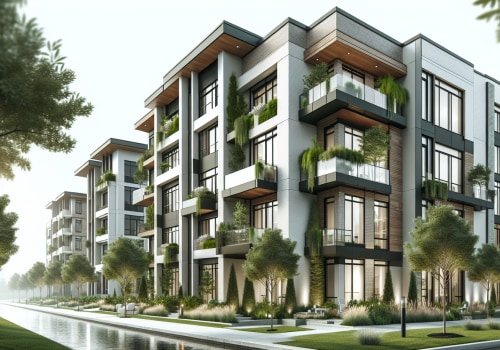
In the ever-evolving landscape of real estate, building renovation has emerged as a crucial strategy for property owners looking to enhance the value and functionality of their spaces. Whether it’s a historic building in need of preservation or a modern structure requiring updates to meet current standards, understanding the building renovation process is essential for achieving successful outcomes. This process not only revitalizes properties but also contributes to sustainability by reducing waste and promoting energy efficiency. The significance of building renovation extends beyond mere aesthetics; it plays a vital role in adapting structures to meet the changing needs of occupants and the community. As urban areas become more densely populated, the demand for updated living and working environments increases.
Renovation projects can transform outdated facilities into vibrant spaces that foster innovation and collaboration, making them more appealing to potential tenants or buyers. Moreover, engaging in a thoughtful renovation process can lead to substantial financial returns. By investing in upgrades such as modern amenities, improved energy systems, and enhanced safety features, property owners can not only increase their asset's market value but also attract a broader audience. As we delve deeper into the specific steps involved in building renovation, it becomes clear that each phase is integral to ensuring that the final result meets both aesthetic desires and functional requirements.
Initial Planning and Assessment
When embarking on a building renovation, the first step is to engage in thorough initial planning and assessment. This phase is crucial as it lays the groundwork for a successful project.Start by evaluating the current state of the building. This includes inspecting structural integrity, plumbing, electrical systems, and overall aesthetics. A detailed assessment will help identify areas that require immediate attention and those that can be improved over time.Next, it’s essential to define your goals for the renovation. Are you looking to modernize the space, increase energy efficiency, or perhaps expand the usable area? Clearly outlining your objectives will guide your decision-making process throughout the renovation.Once you have a clear understanding of your needs and goals, it’s time to set a realistic budget.
Consider all potential costs, including materials, labor, permits, and unexpected expenses. It’s wise to allocate an additional 10-20% of your budget for unforeseen issues that may arise during the renovation.To streamline the renovation project planning, create a timeline that outlines each phase of the project. This should include milestones for completion and deadlines for each task. Engaging with professionals such as architects or contractors during this stage can provide valuable insights and help refine your plans.In summary, effective building renovation planning involves a comprehensive assessment of the existing structure, clear goal-setting, and meticulous budgeting.
By investing time in this initial phase, you can significantly enhance the likelihood of a smooth and successful renovation process.
Designing Your Renovation
When embarking on a building renovation, the design phase is crucial as it sets the foundation for the entire project. A well-thought-out design plan not only enhances the aesthetic appeal of the space but also ensures that it meets your functional needs and complies with local regulations.1.Define Your Goals
- Before diving into design ideas, clearly outline your renovation goals. Are you looking to increase space, improve energy efficiency, or modernize the aesthetics? Understanding your objectives will guide your design choices.
2.Consider Aesthetics and Functionality
- Think about how you want the renovated space to look and feel. Gather inspiration from various sources such as magazines, websites, and social media platforms.
Create a mood board that reflects your vision.
- Simultaneously, consider functionality. Ensure that the design accommodates your lifestyle needs. For instance, if you have a growing family, open floor plans or additional storage solutions may be essential.
3.Engage with Professionals
- Consulting with architects or interior designers can provide valuable insights into renovation design ideas. They can help you visualize your concepts and suggest practical solutions that align with your goals.
- Professionals can also assist in navigating local building codes and regulations, ensuring that your renovation complies with all necessary requirements.
4.Create Detailed Plans
- Once you have a clear vision, work on creating detailed architectural designs for renovations.
This includes floor plans, elevations, and 3D renderings that illustrate how the finished project will look.
- Incorporate elements such as lighting, materials, and color schemes into your plans to ensure a cohesive design.
Obtaining Necessary Permits and Approvals
When embarking on a building renovation, one of the most critical steps is obtaining the necessary permits and approvals from local authorities. This process ensures that your renovation complies with local regulations and safety standards, ultimately protecting both your investment and the well-being of future occupants.Understanding Building Permits
- Building permits are legal documents issued by your local government that authorize construction or renovation work.
- Failure to obtain the required permits can result in fines, legal issues, or even having to undo completed work.
Steps to Obtain Permits
- Research Local Regulations: Start by checking with your local building department to understand the specific requirements for your renovation project. Each municipality may have different rules regarding what types of renovations require permits.
- Prepare Your Plans: Create detailed plans of your renovation, including architectural drawings if necessary. These plans will be crucial when applying for permits.
- Submit Your Application: Complete the permit application form and submit it along with your plans and any required fees.
Be prepared for potential revisions based on feedback from the building department.
- Await Approval: After submission, the local authorities will review your application. This process can take anywhere from a few days to several weeks, depending on the complexity of your project.
- Schedule Inspections: Once approved, you may need to schedule inspections at various stages of your renovation to ensure compliance with safety standards.
Legal Requirements for Renovations
In addition to obtaining permits, it’s essential to be aware of other legal requirements that may apply to your building renovation. This includes adhering to zoning laws, which dictate how properties can be used and what types of renovations are permissible. Additionally, if your property is located in a historic district, you may need special approvals to ensure that renovations maintain the character of the area.By understanding and following these steps for obtaining necessary permits and approvals, you can navigate the legal landscape of building renovations more effectively, ensuring a smoother process and a successful outcome for your project.
Hiring Contractors and Professionals
When embarking on a building renovation project, hiring the right contractors and professionals is crucial to ensure the success of your endeavor.The selection process can be daunting, but with a structured approach, you can find qualified individuals who align with your vision and budget.
1.Define Your Needs
- Before you start searching for contractors, clearly outline the scope of your renovation project. Determine what specific tasks need to be completed, such as plumbing, electrical work, or structural changes.
- This will help you identify the type of professionals you need to hire.
2.Research Potential Candidates
- Start by asking for recommendations from friends, family, or colleagues who have recently completed similar projects.
- Utilize online platforms and directories to find local contractors specializing in building renovations.
- Check reviews and ratings on websites like Yelp or Angie's List to gauge the reputation of potential candidates.
3.Vetting Candidates
- Once you have a list of potential contractors, conduct interviews to assess their experience and expertise.
- Ask for references from previous clients and follow up to inquire about their satisfaction with the work performed.
- Verify that the contractors are licensed and insured to protect yourself from liability.
4.Understand Contracts
- When you’ve narrowed down your choices, request detailed estimates from each contractor. These should include labor costs, materials, timelines, and payment schedules.
- Review the contract carefully before signing. Ensure it outlines all aspects of the project, including warranties and procedures for handling unexpected issues.
5.Communication is Key
- Establish clear lines of communication with your chosen contractor.
Regular updates and discussions can help prevent misunderstandings and keep the project on track.
- A good contractor will be open to discussing any concerns you may have throughout the renovation process.
Executing the Renovation Plan
Executing a building renovation plan requires careful coordination and management to ensure that the project stays on track and within budget. Here are the key steps involved in the renovation execution phase:- Establish a Timeline: Create a detailed timeline that outlines each phase of the renovation. This should include start and end dates for each task, allowing for flexibility to accommodate any unforeseen delays.
- Communicate with Your Team: Regular communication with contractors, subcontractors, and suppliers is crucial. Schedule weekly meetings to discuss progress, address concerns, and make necessary adjustments to the plan.
- Monitor Progress: Keep a close eye on the work being done.
Regular site visits will help you ensure that everything is proceeding according to plan and that quality standards are being met.
- Manage Budget Effectively: Track expenses closely against your budget. Be prepared for unexpected costs, which are common in renovation projects. Having a contingency fund can help mitigate financial strain.
- Handle Unexpected Challenges: No renovation goes exactly as planned. Whether it’s discovering structural issues or delays in material delivery, having a proactive approach to problem-solving is essential.
Maintain a list of potential solutions and be ready to adapt your strategy as needed.
Final Inspections and Quality Checks
Once the major phases of a building renovation are complete, the next critical step is conducting final inspections and quality checks.This process ensures that all work aligns with the established standards and meets the expectations set forth at the beginning of the project.
Importance of Final Inspections
- Compliance with Codes: Final inspections help verify that all renovations comply with local building codes and regulations. This is essential for safety and legality.
- Identifying Issues: A thorough inspection can uncover any potential issues that may have been overlooked during the renovation process, allowing for timely corrections.
- Client Satisfaction: Ensuring that every detail meets the client's expectations is crucial. Final inspections provide an opportunity for clients to review the work and voice any concerns.
Quality Checks in Renovations
- Material Quality: Inspecting the quality of materials used ensures durability and longevity. This includes checking finishes, fixtures, and structural components.
- Workmanship: Evaluating the craftsmanship of contractors is vital.
Poor workmanship can lead to future problems, so it’s important to assess every aspect of the renovation.
- Functionality Tests: Conducting tests on systems such as plumbing, electrical, and HVAC ensures they function correctly and efficiently before finalizing the project.
Ensuring Renovation Quality
The final phase of a building renovation should not be rushed. Taking the time to conduct comprehensive inspections and quality checks can save homeowners from costly repairs down the line. It’s advisable to document all findings during these inspections, providing a clear record of compliance and quality assurance.In conclusion, final inspections and quality checks are indispensable steps in the building renovation process. They not only ensure compliance with regulations but also enhance client satisfaction by delivering a finished product that meets or exceeds expectations.
Post-Renovation Considerations
Completing a building renovation is an exciting milestone, but the journey doesn’t end there.Post-renovation considerations are crucial for ensuring that your newly transformed space remains functional and enjoyable for years to come.
Post-Renovation Maintenance
Regular maintenance is key to preserving the quality of your renovation. Here are some essential tips:- Inspect Regularly: Schedule periodic inspections of critical areas such as plumbing, electrical systems, and structural elements to catch any potential issues early.
- Clean Thoroughly: After a renovation, dust and debris can linger. A deep clean will not only enhance the appearance of your space but also protect surfaces and finishes.
- Maintain HVAC Systems: Ensure that heating, ventilation, and air conditioning systems are serviced regularly to maintain air quality and efficiency.
- Check for Moisture: Keep an eye out for signs of moisture or leaks, especially in newly renovated bathrooms or kitchens, to prevent mold growth.
Enjoying Your Renovated Space
Your newly renovated space should be a source of joy and comfort. Here are some ways to fully enjoy it:- Personalize Your Decor: Add personal touches through artwork, furniture, and accessories that reflect your style and make the space feel like home.
- Create Functional Areas: Designate specific areas for relaxation, work, or entertainment to maximize the utility of your renovated space.
- Host Gatherings: Invite friends and family over to showcase your renovation.
Sharing your space can enhance your enjoyment and create lasting memories.
After Renovation Tips
To ensure long-term satisfaction with your renovation, consider these additional tips:- Document Changes: Keep records of all renovations, including warranties and maintenance schedules, for future reference.
- Stay Flexible: Be open to making adjustments as you live in the space. Sometimes, minor tweaks can significantly enhance functionality.
- Engage Professionals When Needed: Don’t hesitate to consult with professionals for maintenance or further improvements; their expertise can save you time and money in the long run.
Frequently Asked Questions about Building Renovation
When considering a building renovation, many questions may arise. Here are some of the most frequently asked questions to help guide you through the process:- What is the first step in a building renovation?
The initial step typically involves assessing the current condition of the building. This includes identifying any structural issues, understanding local building codes, and determining your renovation goals. - How do I budget for a renovation?
Creating a detailed budget is crucial.Start by estimating costs for materials, labor, permits, and unexpected expenses. It's wise to set aside an additional 10-20% of your budget for unforeseen issues that may arise during the renovation.
- Do I need a permit for my renovation?
Most renovations require permits, especially if they involve structural changes, electrical work, or plumbing. Check with your local building department to understand what is necessary for your specific project. - How long does a typical renovation take?
The duration of a building renovation can vary widely based on the project's scope. Minor updates may take a few weeks, while extensive renovations can last several months.Planning and scheduling are key to minimizing delays.
- Can I live in my home during renovations?
This depends on the extent of the work being done. For minor renovations, it may be feasible to stay in your home. However, significant renovations might require temporary relocation for safety and comfort.